
Where to Buy Compression Socks for Formal Events: A Complete Guide
Standing through a wedding ceremony, sitting through hours of conference sessions, or dancing at a reception all sound fun until your legs start to ache halfway through. That's exactly why more people are turning to compression socks for formal events. A simple way to stay comfortable during long days without giving up a polished, put-together look. The good news is that formal-friendly compression socks are easier to find than most people expect, once you know what to look for and where to shop.
This guide walks through why compression socks make sense for dressy occasions, what separates a formal-appropriate pair from an athletic one, and where you can actually buy them.
Where to Buy Compression Socks for Formal Events
Once you know what to look for, the next question is where to actually find it. A few different shopping paths work well, and each has its own trade-offs.
Specialty Compression Sock Brands
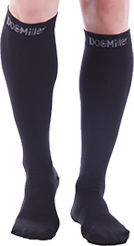
Buying directly from a compression sock brand can make it easier to compare compression levels, materials, sizing, and available styles. Doc Miller Sports is one option for shoppers looking for compression socks that can be incorporated into everyday and formal outfits. Before purchasing, check the product specifications and sizing information to find a suitable fit.
Shopping directly from a specialty brand also tends to give you more detailed product information than you'd get browsing a general retailer, since the listings are built specifically around compression features, sizing charts, and fabric details.
Online Marketplaces
Large online marketplaces are often the fastest way to compare a wide range of styles, colors, and price points in one place. Customer reviews can be genuinely helpful here, especially when shoppers mention how a pair fit inside dress shoes or held up during a full day of wear.
The trade-off is that marketplace listings vary widely in quality and accuracy. Sizing charts, compression levels, and material descriptions aren't always consistent from one seller to the next, so it's worth reading product specifications carefully and checking a few reviews before adding anything to your cart.
Medical Supply Stores and Specialty Retailers
If you're new to compression socks or unsure what compression level or fit is right for you, a medical supply store or specialty retailer can be a good starting point. Staff at these stores are often more familiar with sizing guidance and can help you understand the difference between compression levels in person.
This route tends to work best for people who want a bit more hands-on guidance rather than shopping entirely on their own.
Local Stores
Pharmacies, medical supply shops, department stores, and some specialty clothing retailers may carry compression socks locally, though selection can vary quite a bit from store to store. A pharmacy might stock a basic mild-compression option in black or nude, while a department store's dress sock section may have little to nothing formal-specific. If you're shopping locally, it's worth calling ahead to check what's actually in stock before making a special trip.
Why Wear Compression Socks to a Formal Event?

Formal events tend to involve one of two things: standing for extended periods (think cocktail hours, ceremonies, or trade show floors) or sitting for hours at a stretch (conferences, long dinners, flights to a destination wedding). Either scenario can leave your legs feeling tired, heavy, or swollen by the end of the day.
Compression socks apply gentle, graduated pressure to the lower leg, which may help support healthy circulation during long periods of inactivity or prolonged standing. Many people find that wearing them can reduce the feeling of tired or heavy legs, especially during travel before or after an event. If you're flying to a wedding or driving several hours to a graduation, slipping on a pair for the trip can make the whole day feel more manageable.
The appeal for formal occasions specifically comes down to this: you get the comfort benefits without anyone noticing you're wearing them. A well-chosen pair sits quietly under your dress pants or beneath a hemline, doing its job while your outfit does the talking.
What Makes Compression Socks Suitable for Formal Events?

Not every compression sock belongs at a wedding. Plenty are built for running, hiking, or recovery workouts, and they tend to look the part — bold colors, thick cushioning, athletic branding. For formal wear, you're looking for something different.
Here's what separates dress-appropriate compression socks from the rest:
- Neutral or dress-friendly colors — black, navy, charcoal, and skin-tone shades blend in with formal attire far better than bright athletic prints.
- Thin or low-profile materials — a slimmer knit sits comfortably inside dress shoes without adding bulk.
- Smooth appearance — a fine-gauge knit looks closer to a standard dress sock than a compression garment.
- Appropriate length — over-the-calf, knee-high, or crew length options exist depending on your outfit and how much coverage you want.
- Comfortable fit inside dress shoes — narrower toe boxes in formal shoes mean the sock shouldn't feel tight or bunched at the toe.
- Breathable materials — moisture-wicking fabric blends help prevent overheating during a long day in dress shoes.
- Appropriate compression level — lighter compression is often more practical for all-day formal wear than medical-grade pressure.
- Proper sizing — a pair that's too tight or too loose won't deliver the comfort you're after, no matter how good it looks.
How to Choose the Right Compression Level
Compression levels are typically measured in mmHg (millimeters of mercury), and understanding the basic categories can make shopping much less confusing.
- Mild compression (roughly 8–15 mmHg) is often chosen by people who want light, all-day comfort without a noticeably snug feel — a common choice for travel or long days on your feet.
- Moderate compression (roughly 15–20 mmHg) offers a bit more support and is a popular middle-ground option for people who spend extended periods standing or sitting.
- Higher compression levels (20 mmHg and above) provide more significant pressure and are generally intended for specific needs.
The right compression level really does depend on the individual. People who require medical-grade compression, or who have a diagnosed medical condition, should talk to a qualified healthcare professional before choosing a compression level, since a doctor or specialist can recommend what's actually appropriate for their situation. For everyday formal-event comfort, mild to moderate compression tends to be the most practical starting point for most people.
How to Choose Compression Socks That Match Formal Clothing
Comfort matters, but so does making sure your socks actually work with the outfit. A few styling basics go a long way:
- Black compression socks with black or dark dress shoes are the safest, most versatile pairing for suits, tuxedos, and formal dresses.
- Neutral colors work best with business attire — navy or charcoal can complement a suit without drawing attention.
- Match your socks to your trousers, not your shoes, when the two don't already align, since this creates a cleaner visual line.
- Choose discreet designs without visible logos, athletic stripes, or bold patterns that clash with formal wear.
- Avoid bulky socks with fitted dress shoes, since thicker compression fabric can make a slim shoe feel cramped by the end of the night.
- Consider the sock height — over-the-calf styles stay hidden under trousers even when you sit down and your pant leg rides up, which crew-length socks can't always guarantee.
- Pay attention to material and thickness, since a finer knit looks more like a standard dress sock and less like athletic gear.
Best Compression Sock Features for Long Formal Events
A few hours in compression socks feels different from a full day, so certain features make a bigger difference the longer the event runs.
- Moisture-wicking materials help keep feet dry during hours of standing or dancing.
- Breathability matters just as much in dress shoes as in sneakers, especially indoors at a crowded reception.
- Cushioned areas, where included, can add comfort under the heel or ball of the foot during long stretches of standing.
- Stretch and flexibility allow the sock to move naturally with your foot and ankle rather than restricting motion.
- A secure fit keeps the sock from sliding down over the course of a long event.
- Flat or smooth seam construction reduces the chance of rubbing or irritation inside a dress shoe.
- Proper sizing ensures the compression is distributed correctly rather than bunching in one spot.
- A comfortable toe area avoids pressure points, particularly important in narrower formal shoes.
When Should You Put on Compression Socks Before a Formal Event?
Timing can make a real difference in how comfortable compression socks feel. They're often easier to put on first thing in the morning, before any swelling or fatigue has had a chance to develop over the course of the day. If you know you have a long day ahead — an early ceremony, a full day of travel, or back-to-back conference sessions — putting them on before you get dressed is a simple way to build the habit into your routine.
For evening events, some people choose to put them on an hour or so before getting dressed, giving themselves time to check the fit and make any adjustments before heading out the door.
Tips for Wearing Compression Socks With Dress Shoes
Pairing compression socks with dress shoes takes a little more thought than pairing them with sneakers. A few practical tips can prevent discomfort later in the day:
- Check sock thickness before choosing shoes — a thicker compression sock may need a slightly roomier shoe than usual.
- Make sure the shoes have enough room in the toe box and around the ankle to accommodate the added fabric.
- Avoid bunching or rolling the socks, which can create pressure points and undercut the compression benefit.
- Ensure the socks sit correctly at the top, whether that's below the knee or at the calf, so they don't dig in or slip.
- Wear them with the shoes before the event, even briefly, to catch any fit issues while there's still time to swap sizes or styles.
Are Compression Socks Appropriate for Weddings and Other Formal Events?
Yes — compression socks can be a practical, appropriate choice for weddings, conferences, graduations, business events, formal dinners, ceremonies, and other long-duration occasions, as long as they're chosen carefully. The key is selecting a pair built for a formal look rather than an athletic one: neutral colors, a thin profile, and a smooth finish that disappears under dress pants, suits, or formalwear.
Nobody at a wedding is going to notice a well-chosen pair of black compression socks under a tuxedo. What they might notice is you looking comfortable and composed after eight hours on your feet, rather than shifting your weight or slipping off your shoes under the table.
How to Find the Right Fit Before You Buy
Sizing is where a lot of compression sock purchases go wrong, mainly because it doesn't work quite like regular sock sizing. Before you buy, check:
- Shoe size, which most brands use as a baseline sizing reference.
- Calf measurements, required by some brands, especially for graduated or higher-compression styles.
- Sock length, so you know whether you're getting crew, knee-high, or over-the-calf coverage.
- Compression level, measured in mmHg, to confirm it matches what you're looking for.
- Material, since blends vary in thickness, stretch, and breathability.
- Return and exchange policies, which matter more than usual given how sizing can vary between brands.
Sizing isn't standardized across the compression sock industry the way it might be for a basic dress sock. A medium in one brand may fit differently than a medium in another, so it's worth checking each product's individual sizing chart rather than assuming your usual sock size will carry over.
Final Thoughts
Compression socks don't have to be a trade-off between comfort and style. With the right combination of neutral color, low-profile material, and proper compression level, they can support you through a long wedding, conference, or formal dinner without anyone knowing they're there. Before you buy, take the time to compare compression level, fit, material, style, and sizing across a few options — that extra bit of research is what separates a pair that disappears comfortably under your outfit from one you're adjusting all night.
Frequently Asked Questions
1. What compression socks look best with dress shoes?
Thin, low-profile compression socks in black, navy, or neutral tones tend to look best, since they mimic the appearance of standard dress socks while fitting comfortably inside a fitted shoe.
2. Where can I buy compression socks for a wedding?
You can buy them directly from specialty compression sock brands, through online marketplaces, at medical supply stores, or occasionally at local pharmacies and department stores, depending on availability.
3. What compression level is best for a long formal event?
Mild to moderate compression (roughly 8–20 mmHg) is a common choice for all-day comfort at formal events. Anyone with a medical condition or specific compression needs should check with a healthcare professional first.