Living with leg lymphedema can be challenging. The swelling, heaviness, and discomfort often make everyday activities more difficult than they should be. One of the most commonly recommended tools for managing symptoms is compression therapy, particularly lymphedema compression sleeves for legs designed to support healthy lymphatic flow and reduce fluid buildup.
Many people searching for relief quickly discover that not all compression garments are the same. Compression sleeves come in different pressure levels, and choosing the right one can make a significant difference in comfort and effectiveness.
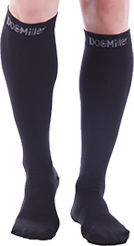
Doc Miller Sports offer graduated compression calf sleeves in 15–20 mmHg, 20–30 mmHg, and 30–40 mmHg compression levels. These sleeves are designed to support circulation, help manage edema and swelling, and aid recovery after surgery or prolonged periods of standing or sitting. For individuals with mild swelling, early-stage lymphedema, or those maintaining results after treatment, the right compression level may provide valuable support.
But how do you know which compression level is right for your situation?
Let's take a closer look.
Understanding Leg Lymphedema
Lymphedema occurs when the lymphatic system cannot effectively drain lymph fluid from tissues. As fluid accumulates, swelling develops, most commonly in the arms or legs.
Leg lymphedema may result from:
- Cancer treatment or lymph node removal
- Radiation therapy
- Infection
- Trauma or injury
- Congenital lymphatic disorders
- Chronic venous insufficiency
Common symptoms include:
- Persistent leg swelling
- A feeling of heaviness
- Tight or stretched skin
- Reduced flexibility
- Discomfort or aching
- Recurring skin infections
While there is no cure for lymphedema, compression therapy is considered one of the most effective ways to manage symptoms and slow progression.
Why Compression Matters for Leg Lymphedema
Compression garments apply controlled pressure to the affected limb. This pressure helps encourage lymphatic fluid movement, preventing fluid from pooling in the tissues.
Benefits of wearing compression sleeves for lymphedema may include:
- Reduced swelling
- Improved circulation
- Better comfort throughout the day
- Support during physical activity
- Reduced feeling of heaviness
- Prevention of worsening symptoms
Graduated compression garments are particularly helpful because they apply the greatest pressure at the lower portion of the leg and gradually decrease pressure upward, encouraging fluid movement in the proper direction.
Lymphedema Compression Sleeves for Legs: Understanding Compression Levels
Compression garments are measured in millimeters of mercury (mmHg), which indicates the amount of pressure exerted on the limb.
Choosing the appropriate level depends on your symptoms, severity of swelling, and recommendations from your healthcare provider.
15–20 mmHg Compression: Mild Support
This is generally considered mild compression.
Individuals who may benefit include:
- People with minor swelling
- Those experiencing early symptoms
- Frequent travelers
- Individuals who stand or sit for long periods
- People looking to support circulation
For some individuals with very early-stage lymphedema, a 15–20 mmHg sleeve may provide enough support to reduce discomfort and prevent worsening swelling.
Doc Miller Sports offers graduated compression sleeves in this category, making them a popular option for daily wear and preventative support.
20–30 mmHg Compression: Moderate Compression
This level is often considered the standard starting point for many people managing mild-to-moderate lymphedema.
Potential benefits include:
- Better swelling control
- Enhanced fluid movement
- Increased support during activity
- Maintenance after professional lymphedema treatment
Many healthcare providers recommend this compression range for ongoing lymphedema management once a proper diagnosis has been established.
For individuals who have completed decongestive therapy and are transitioning into maintenance, 20–30 mmHg compression may help preserve treatment results.
30–40 mmHg Compression: Firm Compression
This is a stronger medical-grade compression level typically used for:
- Moderate-to-severe swelling
- Advanced lymphedema
- Significant edema
- Long-term symptom management
Because higher compression levels exert substantial pressure, they are generally best used under medical supervision.
A clinician may recommend 30–40 mmHg compression if lower levels have not adequately controlled swelling.
How to Choose the Right Compression Level
Choosing the right lymphedema compression sleeve involves more than selecting the strongest option available.
In fact, too much compression can sometimes cause discomfort or create pressure points if the garment does not fit correctly.
Consider the following factors:
Severity of Swelling
- Mild swelling may respond well to 15–20 mmHg compression.
- Moderate swelling often requires 20–30 mmHg support.
- Severe swelling may benefit from 30–40 mmHg compression under professional guidance.
Stage of Lymphedema
Early-stage lymphedema often responds better to lower compression levels.
More advanced stages generally require stronger compression strategies.
Medical Recommendations
Always follow guidance from:
- Physicians
- Certified lymphedema therapists
- Vascular specialists
- Physical therapists trained in lymphatic care
Professional recommendations are especially important when using higher compression levels.
Daily Activities
Your lifestyle also matters.
For example:
- Travelers may benefit from mild-to-moderate compression.
- Active individuals may prefer sleeves that provide support during exercise.
- Those with physically demanding jobs may require higher levels of compression support.
Are Compression Sleeves Enough for Leg Lymphedema?
The answer depends on where the swelling occurs.
Compression sleeves that cover the calf may work well when swelling is limited to the lower leg.
However, some people experience swelling that extends to:
- The foot
- The ankle
- The knee
- The thigh
In these cases, additional compression garments may be necessary.
A healthcare provider may recommend:
- Compression stockings
- Thigh-high garments
- Full-leg garments
- Multi-layer bandaging
- Pneumatic compression devices
Proper assessment is essential because the wrong garment can sometimes cause fluid to accumulate in untreated areas.
When Compression Sleeves May Be Most Helpful
Compression sleeves can play an important role in several situations.
Mild Leg Swelling
Individuals experiencing occasional swelling may find that graduated compression helps reduce fluid buildup before it becomes more severe.
Early-Stage Lymphedema
Early intervention is often one of the best strategies for slowing progression.
A properly fitted compression sleeve may help support healthy lymphatic flow.
Maintenance After Treatment
Following successful lymphedema therapy, compression garments are often used to maintain results and prevent recurrence.
Travel and Long Periods of Sitting
Long flights, road trips, and desk jobs can contribute to swelling.
Compression sleeves may help support circulation during extended periods of inactivity.
Clinician-Recommended Compression Therapy
Many healthcare providers incorporate compression garments into comprehensive lymphedema management plans.
Proper Fit Matters More Than You Think
Even the best compression level won't help if the sleeve doesn't fit properly.
A sleeve that is too loose may not provide adequate pressure.
A sleeve that is too tight can become uncomfortable and potentially restrict circulation.
When selecting a compression garment:
- Measure your leg according to manufacturer instructions
- Choose the correct size
- Replace worn-out garments regularly
- Follow washing instructions carefully
Quality compression garments are designed to provide consistent graduated pressure throughout the day.
Where to Buy Compression Sleeves for Lymphedema
If you're wondering where to buy compression sleeves for lymphedema, there are several options available.
Many individuals purchase compression garments through:
- Medical supply retailers
- Pharmacies
- Online compression specialists
- Healthcare provider recommendations
Brands such as Doc Miller Sports offer graduated compression calf sleeves in multiple compression levels, including 15–20 mmHg, 20–30 mmHg, and 30–40 mmHg options, allowing users to select the level most appropriate for their needs.
When shopping, prioritize:
- Accurate sizing guides
- Graduated compression design
- Durable materials
- Clear compression ratings
- Positive customer feedback

Premium Calf Compression Sleeve 20-30 mmHg - BLACK
$18.95 - $30.95
SEE PRODUCT

Premium Calf Compression Sleeve 20-30 mmHg DARK GREEN by Doc Miller
$19.95 - $24.95
SEE PRODUCT

Premium Calf Compression Sleeve 20-30 mmHg SKIN/NUDE
$18.95 - $30.95
SEE PRODUCT
Signs You May Need a Different Compression Level
Your compression needs can change over time.
Speak with your healthcare provider if you notice:
- Increased swelling
- New discomfort
- Skin irritation
- Changes in limb size
- Reduced effectiveness of your current garment
Regular reassessment helps ensure your compression therapy continues to meet your needs.
Final Thoughts
Finding the right compression level is one of the most important decisions when managing leg lymphedema. While lymphedema compression sleeves for legs can help reduce swelling, improve comfort, and support lymphatic circulation, the ideal compression level depends on your individual condition.
For mild swelling or preventative support, 15–20 mmHg may be appropriate. Moderate symptoms often benefit from 20–30 mmHg compression, while more advanced cases may require 30–40 mmHg under medical supervision.
Whether you're looking for compression sleeves for lymphedema during travel, daily activities, or long-term management, selecting the correct compression level and ensuring proper fit can significantly impact your results. Brands like Doc Miller Sports provide multiple graduated compression options that can support a variety of needs, from circulation support to post-treatment maintenance.
As always, consult your healthcare provider or certified lymphedema therapist before making significant changes to your compression therapy routine.
Frequently Asked Questions
1. Are calf compression sleeves enough for all cases of leg lymphedema?
No. If swelling involves the foot, knee, or thigh, additional compression garments may be necessary.
2. Where can I buy compression sleeves for lymphedema?
Compression sleeves are available from medical supply stores, pharmacies, specialty compression retailers, and online providers such as Doc Miller Sports that offer graduated compression options in multiple pressure levels.
3. Can compression sleeves reduce leg swelling from lymphedema?
Yes. Compression sleeves help encourage lymphatic fluid movement and may reduce swelling, discomfort, and heaviness associated with lymphedema.