If you're wondering, should I wear compression sleeves on both legs, the answer depends on why you're using them. Some people need targeted compression on just one calf, while others prefer the balanced support of wearing a pair. Your activity, comfort, and individual needs can all influence the right choice.
Calf compression sleeves are popular among runners, athletes, travelers, and people who spend long hours standing or sitting. But buying one sleeve or two isn't always an obvious decision. Do you really need a pair? Is one calf compression sleeve enough? And when does wearing compression on both legs make more sense?
In this guide, we'll break down the differences between one calf sleeve or a pair, when each option may be appropriate, and what to consider before making your purchase.
One Calf Sleeve or a Pair: What's the Difference?
The biggest difference is simple: one sleeve provides targeted compression to one calf, while a pair provides compression to both legs.
Choosing between them isn't necessarily about which option is better. Instead, think about how and why you'll use the sleeves.
A single sleeve may make sense if you only want support for one calf. For example, you might prefer one sleeve if you're dealing with discomfort on one side or simply want to try calf compression before purchasing a pair.
A pair may be more practical if you want consistent compression on both calves during activities such as running, cycling, gym workouts, travel, or long shifts on your feet.
When One Sleeve May Make Sense
Consider a single calf compression sleeve if:
- You only want compression on one calf.
- One leg needs targeted support.
- You want to test how calf compression feels before buying a pair.
- You prefer wearing a sleeve on one side during certain activities.
- You already own a sleeve and need a replacement for the other leg.
If only one calf needs compression for your intended use, there may be little reason to purchase two.
However, if you're experiencing unexplained, significant, or persistent calf pain or swelling, don't assume a compression sleeve is the solution. It's important to speak with a healthcare professional to determine the cause.
Should I Wear Compression Sleeves on Both Legs?
Should I wear compression sleeves on both legs? For many people, wearing a pair can be a convenient choice when they want compression and support on both calves.
Using sleeves on both legs can provide a more symmetrical approach during activities where both legs are working at the same time. This can be especially convenient for runners, cyclists, athletes, travelers, and people who spend many hours standing.
For example, if you're going for a long run, both calves are involved in the activity. Wearing a sleeve on each leg can provide consistent compression on both sides rather than treating only one calf.
The same principle can apply during travel. If you're sitting for several hours, some people prefer wearing compression garments on both legs rather than only one.
That doesn't mean everyone needs two sleeves. The right choice depends on your individual circumstances and how you plan to use them.
When a Pair May Be the Better Choice
A pair of calf compression sleeves may be worth considering if you:
- Participate in sports involving both legs.
- Run or walk regularly.
- Spend long hours standing at work.
- Travel frequently.
- Exercise or train regularly.
- Prefer compression on both calves.
- Want matching sleeves for convenience.
- Don't have a specific reason to target only one leg.
If your goal is general calf support during activities that involve both legs, a pair can be a straightforward option.
Is One Calf Compression Sleeve Enough?

Is one calf compression sleeve enough? It can be, depending on your reason for wearing one.
There's no universal rule saying that you must wear compression sleeves on both legs. If your intended use only involves one calf, one sleeve may be all you need.
For example, someone may choose a single sleeve because they want targeted compression on one calf during a particular activity. Another person may simply prefer wearing one sleeve because it feels more comfortable for their needs.
On the other hand, if you want compression for both calves while running, exercising, traveling, or standing for extended periods, purchasing a pair may be more convenient.
The key question is not simply "one or two?" It's "What do I want the compression sleeve to do?"
Benefits of Wearing One Calf Compression Sleeve
Choosing one sleeve can offer several practical advantages.
Targeted Coverage
If you only want compression around one calf, a single sleeve gives you exactly that without adding another garment to the other leg.
Lower Initial Cost
Buying one sleeve can cost less upfront than purchasing a pair. This can be useful if you're trying calf compression for the first time.
Easy to Use
A single sleeve can be quick to put on and remove, especially if you're using it for a specific activity.
Useful for Specific Activities
Some people may prefer one sleeve when their intended activity or personal preference calls for compression on only one side.
It's important, however, to avoid using a compression sleeve as a substitute for medical evaluation when you have unexplained calf symptoms.
Benefits of Wearing a Pair of Calf Compression Sleeves
A pair also has several advantages, particularly for active users.
Compression on Both Calves
The most obvious benefit is that both calves are covered. This can be useful during activities where both legs are working together.
Convenient for Sports
Running, cycling, hiking, basketball, and many other activities involve both legs. Wearing a pair allows you to use the same type of sleeve on each calf.
Practical for Travel
If you frequently take long flights or road trips, you may prefer having compression on both legs rather than just one.
Balanced Feel
Some people simply prefer the feel of wearing matching sleeves on both legs. It can provide a more consistent experience during exercise or everyday activities.
One Sleeve or a Pair for Running and Exercise?
If you're primarily interested in calf sleeves for exercise, your choice may be easier.
Running and many other sports place demands on both legs. Because of this, athletes may prefer a pair of calf compression sleeves for consistent coverage.
For example, a runner training for a long-distance event may choose to wear sleeves on both calves during training. Similarly, someone participating in cycling, hiking, or gym workouts may prefer a pair for convenience.
That said, wearing two isn't automatically better than wearing one. If you specifically prefer a single sleeve or have a reason to use compression on only one calf, one may be sufficient for your intended use.
Comfort should also be a priority. A sleeve that fits properly and stays in place is generally more useful than one that is too tight, rolls down, bunches up, or causes discomfort.
One Sleeve or a Pair for Travel?
Travel is another situation where people often consider calf compression sleeves.
Long periods of sitting can leave your legs feeling stiff or uncomfortable. Some travelers choose compression garments as part of their travel routine, particularly when they're going to be sitting for several hours.
If you want compression around both calves during travel, a pair can be the more convenient choice.
However, if you're specifically looking for compression on one calf, a single sleeve can also be practical.
For people with medical conditions or an increased risk of blood clots, it's especially important to speak with a healthcare professional about whether compression garments are appropriate for you.
How to Choose the Right Calf Compression Sleeve
Once you've decided whether you want one or two sleeves, there are several other factors to consider.
1. Choose the Right Compression Level
Compression sleeves come in different levels of pressure. Don't automatically assume that stronger compression is better.
Your ideal compression level depends on your intended use and individual needs. If you have a medical condition or have been advised to use compression by a healthcare professional, follow their recommendation.
For people shopping for everyday or athletic calf sleeves, understanding the compression level can help you compare products more effectively.
2. Get the Correct Size
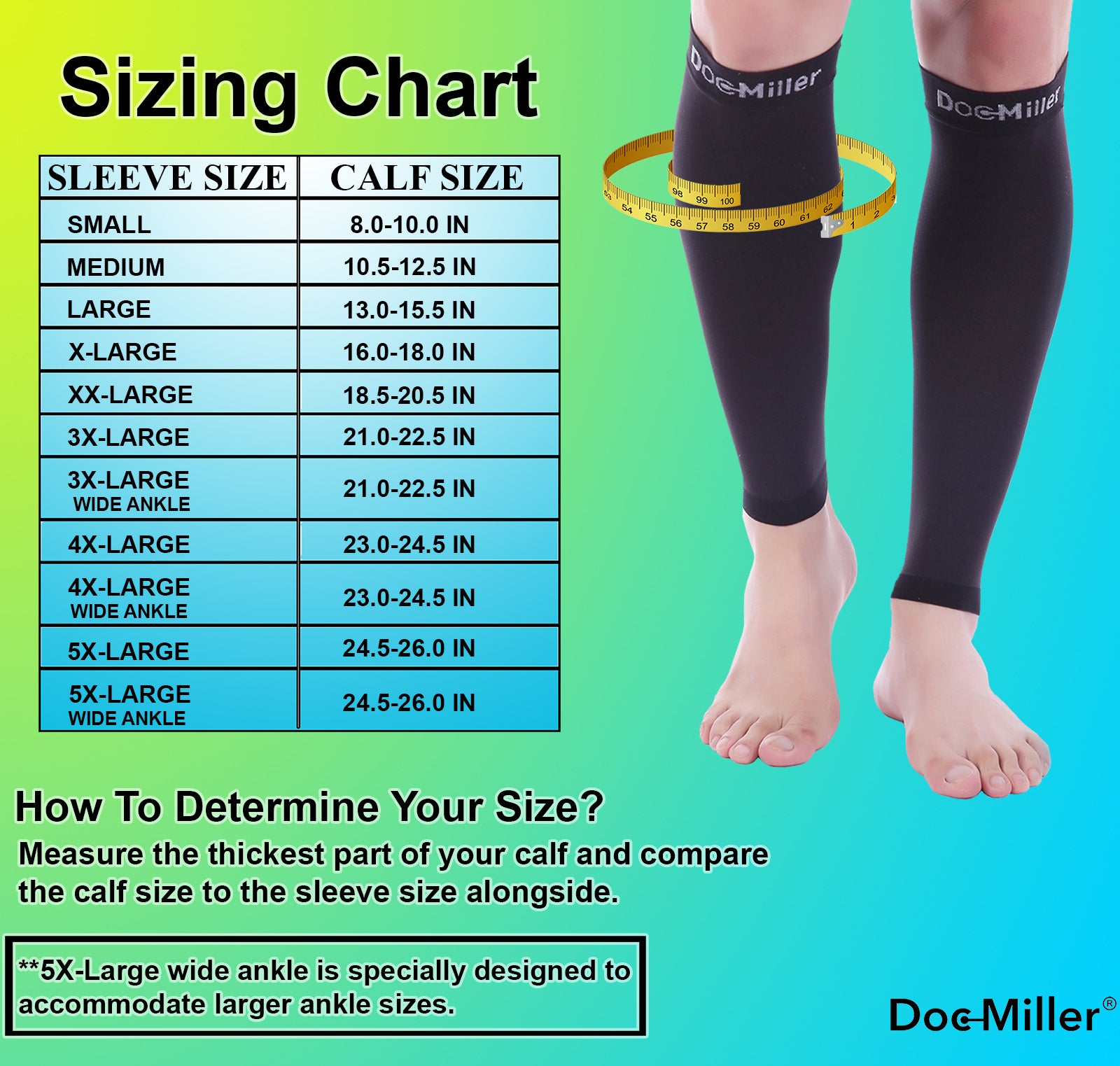
A good fit is essential.
A calf sleeve should feel snug and supportive without being painfully tight. An incorrectly sized sleeve may roll, bunch, slip down, or feel uncomfortable.
Always check the manufacturer's sizing chart before purchasing.
3. Consider the Material
If you're wearing calf sleeves during workouts or for extended periods, look for materials designed to provide comfort and breathability.
A lightweight, moisture-wicking fabric can be particularly useful for active users who sweat during exercise.
4. Think About Your Activity
Your intended use should influence your decision.
A runner may prioritize a secure fit and breathable material. A traveler may care more about comfort during extended wear. Someone who spends all day standing may prioritize a comfortable sleeve that stays in place.
5. Consider Whether You Need One or Two
Finally, return to the original question: one calf sleeve or a pair?
If you only want compression on one calf, one sleeve may be practical.
If you want compression on both legs during exercise, travel, or long periods of standing, a pair may be more convenient.
Doc Miller Sports Calf Compression Sleeves
If you're looking for a calf compression sleeve, Doc Miller Sports Calf Compression Sleeves are an option to consider based on how you plan to use them.
Doc Miller Sports calf sleeves provide 20–30 mmHg compression and are made with a medical-grade nylon and spandex blend. The design provides targeted coverage around the calf without extending over the foot.
They're suitable for people who want calf compression during activities such as exercise, travel, or periods of prolonged standing.
If you only need compression on one calf, purchasing a single sleeve may be the practical choice. If you want compression and support on both legs during running, workouts, travel, or long periods of standing, a pair may be more convenient.

Premium Calf Compression Sleeve 20-30 mmHg - BLACK
$18.95 - $30.95
SEE PRODUCT

Premium Calf Compression Sleeve 20-30 mmHg DARK GREEN by Doc Miller
$19.95 - $24.95
SEE PRODUCT

Premium Calf Compression Sleeve 20-30 mmHg SKIN/NUDE
$18.95 - $30.95
SEE PRODUCT
Doc Miller Sports Calf Compression Sleeves can be considered for either approach, depending on your individual needs and how you plan to use them.
So, Should You Buy One Calf Sleeve or a Pair?
There's no single answer that works for everyone.
Choose one calf sleeve if your goal is targeted compression on one calf or you simply prefer using a single sleeve.
Choose a pair if you want compression on both calves during running, exercise, travel, or long periods of standing.
The most important factors are your intended use, comfort, fit, and individual needs.
If you're still unsure, start by asking yourself a simple question: Do I want compression on one calf or both? Your answer will usually make the buying decision much easier.
And if you have unexplained calf pain, sudden swelling, warmth, redness, or other concerning symptoms, don't rely on a compression sleeve alone. Seek appropriate medical advice before using compression.
Frequently Asked Questions
1. Is one calf compression sleeve enough?
Yes, one calf compression sleeve can be enough if you only want targeted compression on one calf. If you want compression on both legs, a pair will be more practical.
2. Are calf compression sleeves good for running?
Calf compression sleeves are commonly used by runners as part of their workout or recovery routine. A pair can be convenient for runners because both legs are involved in running. Choose a comfortable size and compression level appropriate for your needs.
3. What compression level should I choose for a calf sleeve?
Compression levels vary by product and intended use. Doc Miller Sports Calf Compression Sleeves use 20–30 mmHg compression. If you're using compression for a medical reason or have an underlying health condition, consult a healthcare professional about the appropriate compression level for you.