

How to Choose and Where to Buy Closed Toe Compression Socks for Hiking Boots
If you spend long hours on the trail, you already know that foot comfort can make or break a hike....

Martial arts ask a lot from the knees. A single class can include roundhouse kicks, quick pivots, deep stances, kneeling transitions, and long stretches of groundwork. Whether you train in karate, Muay Thai, Brazilian Jiu-Jitsu, or MMA, your knees take repeated load, twisting forces, and direct contact with the mat.
Kicking sends force through the knee as the leg extends and snaps back. Pivoting on a planted foot twists the joint while your body weight is on it. Kneeling and shooting for takedowns press the kneecap against the floor. Grappling adds awkward angles and the weight of a training partner. Over weeks and months, these demands can leave knees feeling sore, unstable, or tired.
That is why many practitioners look into knee braces for martial arts. The options range from light compression sleeves to structured braces with side stabilizers. This guide explains why martial artists use knee support, which types are available, how to match them to your style, where to buy, and what to check before you commit.

People wear knee support for different reasons. Some are returning from a knee issue, some want extra stability, and others simply like the feel of a snug sleeve during long sessions. A brace is not a substitute for good technique, a proper warm-up, or professional advice, but it can be a useful part of how you train.
Fast kicks and quick turns put the knee through repeated extension and rotation. A brace or sleeve can add a sense of stability around the joint, which some practitioners find reassuring during high-repetition drills like pad work, kick combinations, and forms. Structured designs with side stabilizers offer more lateral support than a simple sleeve.
On the mat, the knees get squeezed, twisted, and pressed into the floor. Judo throws, guard work, and wrestling shots all involve awkward positions. Martial arts knee support in this setting needs to stay in place while you roll and move through transitions. A low-profile fit also matters, because bulky gear can get in the way of a training partner or snag during grips.
Even when nothing feels wrong, long training weeks can leave knees achy. Many people use a compression sleeve because the gentle pressure and warmth feel comfortable during repetitive drills, stance work, and conditioning. Comfort is a legitimate reason to choose a sleeve, as long as you are not using it to push through sharp or worsening pain.
Knowing the main categories makes it easier to pick the right level of support.

A compression sleeve is a pull-on tube of stretchy fabric that fits snugly around the knee. It offers light support and warmth, and it is usually the least restrictive choice. Sleeves tend to suit people who want comfort and a feeling of stability without limiting movement much.
Neoprene is a thick, stretchy material that holds heat close to the joint and provides firmer compression than a thin fabric sleeve. Many neoprene braces include an open patella design, which leaves room around the kneecap, and adjustable straps for a more customized fit.

Some braces add flexible or spring-style stabilizers along the sides of the knee. These give the brace more structure than a basic sleeve and are designed to add lateral support. They can be a good middle ground for martial artists who want more than a sleeve but do not need a rigid hinged design.
Hinged braces use metal or plastic hinges on each side and are generally the most structured option. They are often recommended in clinical settings after certain injuries. They can also be bulky, and many martial arts schools and competitions restrict hard or hinged gear for partner safety. If a healthcare provider recommends one, ask your instructor first.
The right choice depends on how you move and how much contact your style involves.
These styles rely on fast, high-volume kicking and sharp pivots. A flexible compression sleeve or a lightweight neoprene brace usually works well because it lets the leg extend and chamber freely. Look for a design that does not bunch behind the knee when you do deep stances.
Muay Thai and kickboxing add heavy bag work, knee strikes, and clinching. Durable, snug support that stays in place during repeated kicks is helpful. Because partners may clinch and knee each other, avoid anything with hard exposed parts unless your gym allows it.
On the mat, grip and friction matter. A close-fitting sleeve or soft neoprene brace tends to work better than anything bulky. Pick a design with smooth edges and secure straps so nothing catches on a gi or pulls loose during scrambles. Hard hinges are often discouraged in grappling classes.
MMA mixes striking, wrestling, and ground work, so versatility is key. A brace with moderate structure, adjustable straps, and room for full flexion often fits best. Training in MMA can involve many surfaces and partners, so check your gym’s gear policy before settling on a style.
You can find knee support in several places. Each has its own strengths.
Online stores that focus on braces and compression gear usually carry a wide range of sizes and designs. You can compare materials, read product details, and check sizing charts at home. Look for clear measurement instructions and a straightforward return policy.
Local sporting goods stores let you try on a sleeve or brace and see how it feels. The selection is often smaller, and staff may not be specialists in knee support, so it helps to arrive knowing what type you want.
Brands that focus on supports and compression wear often provide more detailed product information, a wider size range, and designs made for athletic movement. This is a good route if you want to understand exactly what a product is made of and how it is meant to be used.
Doc Miller Sports focuses on support and compression gear for active people. Two options are especially relevant for martial arts training.

This brace is built with two spring stabilizers on each side of the knee, an adjustable fastening system, and an open-patella design. The structure offers a more supportive alternative to a basic sleeve, and the adjustable closure lets you tune the fit. Martial artists who want added lateral support during pivots and stance work may find it worth considering, provided it fits comfortably and your gym allows it.
For those who prefer a lighter feel, flexible compression sleeves offer gentle, even pressure without much bulk. They tend to suit forms, drilling, and groundwork where a low profile matters. Many practitioners keep a sleeve in their gym bag for everyday training and use a structured brace for sessions that feel more demanding.
Choosing knee braces for martial arts comes down to a few practical questions. How much support do you want? Does the brace move with your kicks, pivots, and groundwork? Is it breathable, correctly sized, and allowed by your gym or competition rules? Matching the type of support to your style, and being honest about your comfort and stability needs, will help you pick something you actually enjoy wearing.
For martial artists who want additional knee support, Doc Miller Sports offers a neoprene knee brace with four built-in spring side stabilizers. The brace features two stabilizers on each side, an adjustable fastening system, and an open-patella design. Its construction provides a more structured alternative to a basic compression sleeve. However, practitioners should check that the brace allows comfortable movement and does not interfere with their training techniques.
Ready to compare your options? Browse the Doc Miller Sports knee support collection to find a brace or sleeve that fits your training.
Before you buy, run through these four checks. They matter more than any single feature on a product page.
Try a full squat, a high kick motion, and a deep kneel while wearing the brace. If it restricts these movements or digs into the back of the knee, it will probably get in the way of your technique. A good brace supports the joint without fighting you.
Look for a snug fit that feels supportive but not painful. Too loose and it slides. Too tight and it can feel uncomfortable or limit comfort during long classes. If you want extra lateral stability, side stabilizers can add structure, but make sure they do not interfere with your training partners.
Training gets hot and sweaty. Breathable fabrics and well-placed ventilation help prevent irritation and keep the brace comfortable through a full session. Neoprene holds warmth, which some people like and others find too much in warm gyms, so consider your environment.
Measure your knee, using the brand’s instructions, rather than guessing from shoe or clothing size. Read the size chart carefully, since measurement points can differ between brands. If you are between sizes or have a past injury, a professional fitting or a conversation with a physical therapist is worth the time.
Not necessarily. Many martial artists train for years without any knee support. Some choose a sleeve or brace for added stability, comfort, or confidence, particularly when returning from a knee issue. If you have pain, swelling, or instability, see a healthcare professional before relying on a brace.
Yes, in most cases. Flexible sleeves and lightweight neoprene braces are designed to allow normal movement. Test the brace with full kicks and pivots before class to make sure it does not restrict your range of motion or slip. More rigid braces can feel limiting for high kicks.
Rules vary by sport, organization, and event. Some allow soft sleeves and neoprene supports, while others restrict braces with hard or metal parts. Always check the rulebook or ask the event organizer before competing, since an unapproved brace could get you disqualified or stopped before a match.
Find your perfect fit
Medical-grade compression sleeves and socks, made for everyday comfort. Free shipping within the USA.
If you spend long hours on the trail, you already know that foot comfort can make or break a hike....

Softball looks smooth from the stands, but your knees know better. Every slide into second, every quick pivot at shortstop,...

Venous reflux can make everyday activities uncomfortable, especially when your legs feel heavy, swollen, tired, or achy after sitting or...
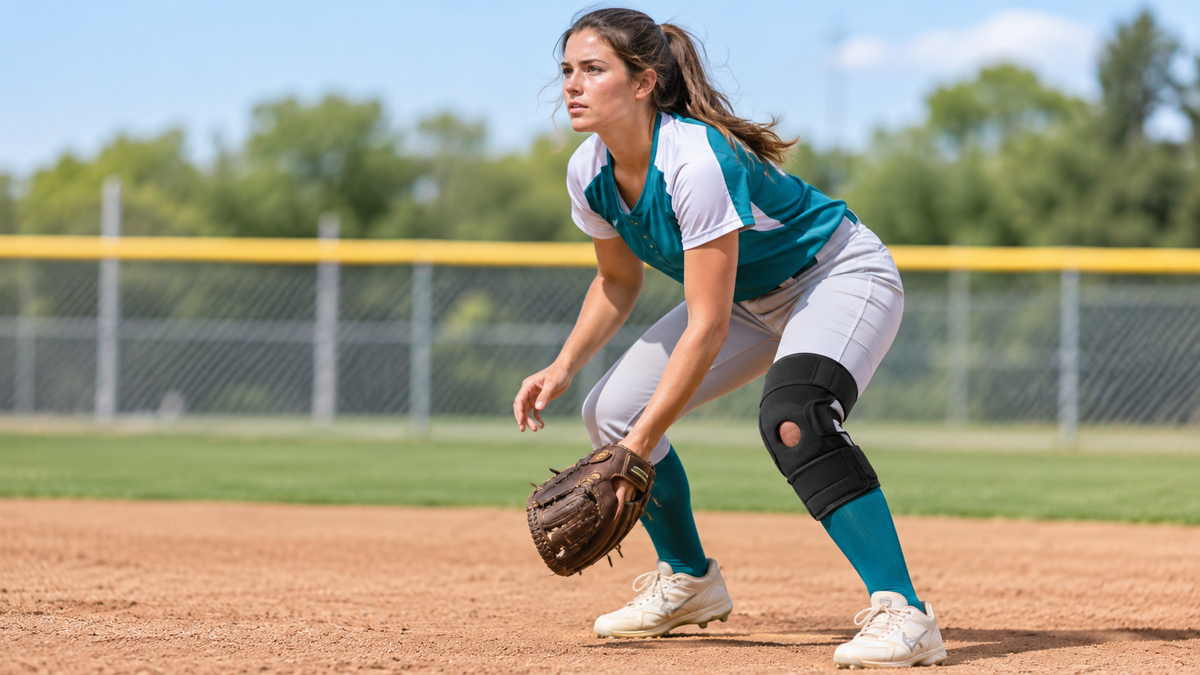
Finding the Best Knee Brace for Every Softball Players
Softball looks smooth from the stands, but your knees know better. Every slide into second, every quick pivot at shortstop, every deep squat behind the plate asks a lot from the joint. If you pl...
Read more
How to Choose and Where to Buy Closed Toe Compression Socks for Hiking Boots
If you spend long hours on the trail, you already know that foot comfort can make or break a hike. Swollen ankles, tired calves and hot spots inside your boots tend to show up around the halfway ...
Read more