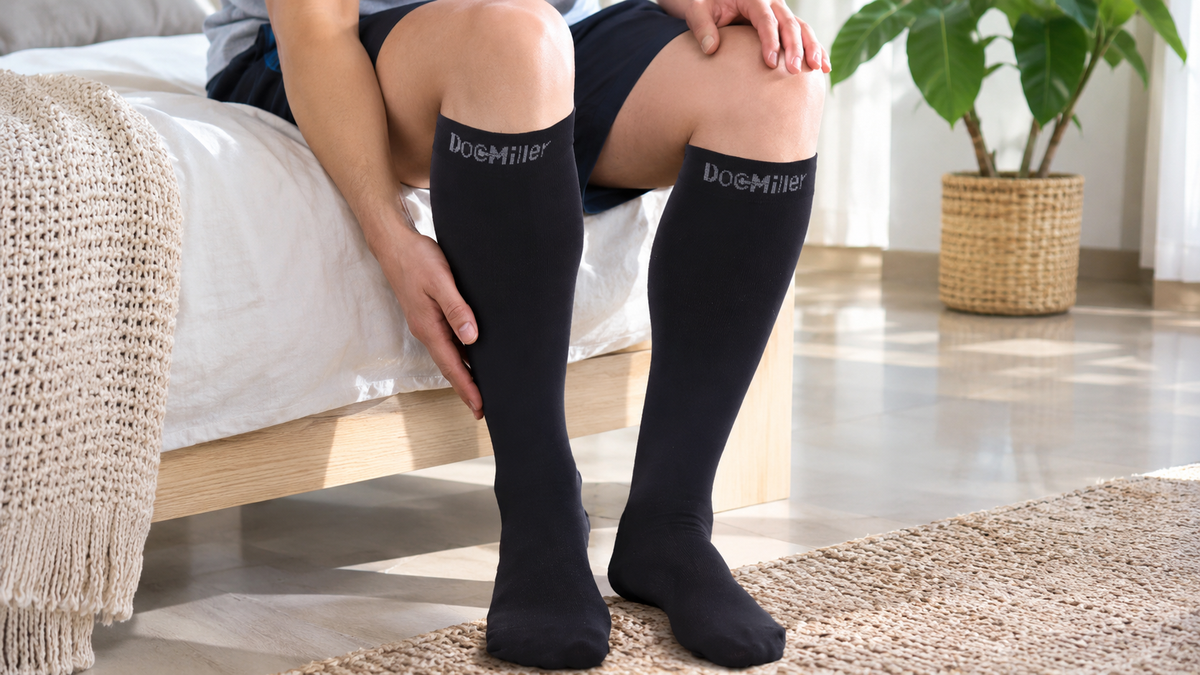
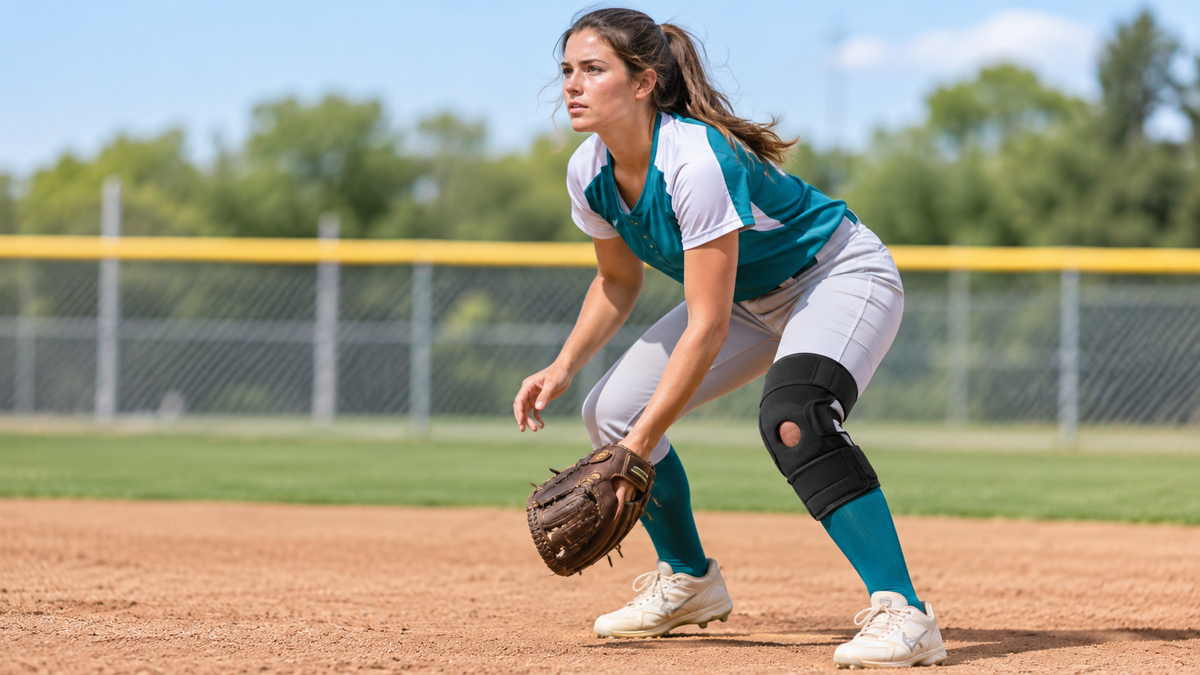
Venous reflux can make everyday activities uncomfortable, especially when your legs feel heavy, swollen, tired, or achy after sitting or standing for extended periods. When the valves inside the leg veins do not work properly, blood can flow backward and collect in the lower extremities instead of moving efficiently toward the heart. Over time, this can contribute to symptoms associated with chronic venous insufficiency.
Compression socks for venous reflux are commonly used as a conservative way to support circulation, manage leg swelling, and improve everyday comfort. These specially designed garments apply controlled pressure to the legs, helping support the movement of blood through the veins. Unlike ordinary socks, medical compression socks are designed to provide graduated pressure, which is generally strongest around the ankle and gradually decreases toward the calf or thigh.
What Is Venous Reflux?
Venous reflux, also called venous insufficiency or venous valve incompetence, occurs when the valves inside the veins become weak, damaged, or unable to close properly.
Veins carry blood from different parts of the body back toward the heart. In the legs, this process requires blood to travel upward against gravity. Small one-way valves inside the veins help prevent blood from flowing backward.
When these valves stop functioning effectively, some blood moves in the wrong direction and accumulates in the leg veins. This increases pressure inside the veins, a condition known as venous hypertension.
Venous reflux commonly affects the superficial veins, although deeper veins can also be involved. It may contribute to visible varicose veins, swelling around the ankles, skin changes, and persistent leg discomfort.
The condition can develop gradually, and some people may not notice significant symptoms during its early stages.
Common Symptoms of Venous Reflux
Venous reflux symptoms can range from mild discomfort to more noticeable changes in the legs.
Some people experience symptoms mainly at the end of the day, while others notice them after relatively short periods of standing or walking.
Common signs include:
-
Leg swelling: Fluid may accumulate around the ankles and lower legs, particularly toward the end of the day.
-
Heavy or tired legs: The legs may feel unusually heavy, especially after prolonged standing.
-
Aching or discomfort: Some people experience a dull ache, throbbing, or a feeling of pressure in their lower legs.
-
Varicose veins: Enlarged, twisted veins may become visible beneath the skin.
-
Itching: The skin around affected veins may become irritated or itchy.
-
Skin discoloration: Long-standing venous pressure can contribute to brownish discoloration, particularly around the ankles.
-
Skin changes: More advanced venous disease may cause thickening, inflammation, or hardening of the skin.
-
Venous ulcers: In severe cases, poorly controlled venous disease may contribute to wounds that develop around the lower legs or ankles.
Persistent swelling, new skin changes, or wounds should be evaluated by a healthcare professional. Sudden swelling in one leg, particularly when accompanied by pain, warmth, or redness, requires prompt medical assessment because it may indicate a blood clot.
How Do Compression Socks Help With Venous Reflux?
One of the most common conservative approaches to managing symptoms associated with venous reflux is compression therapy.
So, how do compression socks help with venous reflux?
Compression socks apply controlled external pressure to the legs. This pressure helps support the surrounding tissues and veins, limits excessive fluid accumulation, and can improve venous blood flow.
Medical compression stockings are designed to provide graduated compression. This means the pressure is generally greatest at the ankle and gradually decreases toward the upper leg.
By applying this pressure, compression garments can help reduce the diameter of superficial veins, support venous circulation, and make it easier for blood to move upward through the legs.
Clinical guidelines recognize compression therapy as an option for managing symptoms associated with chronic venous disease. Its benefits can include reduced swelling and discomfort, although results vary depending on the severity of the condition and the individual's health.
What Are the Best Compression Socks for Venous Reflux?
The best compression socks for venous reflux are not necessarily the tightest or most expensive options.
The right pair should provide an appropriate compression level, fit your leg measurements, and offer enough comfort for consistent use.
Several factors influence which type of compression garment may be suitable, including the location of venous reflux, the severity of swelling, personal preferences, and your healthcare provider's recommendations.
Here are the main styles to consider.
Knee-High Compression Socks

Knee-high compression socks are among the most common options for people managing lower-leg swelling and symptoms associated with venous insufficiency.
These garments extend from the foot to just below the knee.
They are particularly practical when symptoms are concentrated around the ankles and calves.
Potential advantages include:
-
Coverage for the ankles and lower legs.
-
Graduated compression that supports venous circulation.
-
Easier application compared with many thigh-high garments.
-
Compatibility with everyday shoes and clothing.
-
Practical use during work, travel, and daily activities.
Knee-high compression socks are often a reasonable starting point when venous symptoms primarily affect the lower legs.
They may also be appropriate for people with certain patterns of superficial venous reflux, depending on clinical assessment.
However, they may not provide sufficient coverage when swelling or venous disease extends above the knee.
Thigh-High Compression Stockings

Thigh-high compression stockings extend from the foot to the upper thigh.
They may be considered when venous symptoms, swelling, or treatment requirements involve areas above the knee.
Some designs use a silicone grip band to help keep the garment in place throughout the day.
Potential advantages include:
-
Compression coverage extending beyond the knee.
-
Support for people who require a longer compression garment.
-
Availability in different compression levels and materials.
-
Options for open-toe and closed-toe designs.
Thigh-high stockings are not automatically better than knee-high socks. The appropriate length depends on where compression is needed.
For example, if symptoms are limited to the ankles and calves, a properly fitted knee-high garment may be sufficient.
If symptoms involve the thigh or a healthcare professional recommends more extensive coverage, thigh-high stockings may be worth considering.
What Compression Level Is Best for Venous Reflux?
Compression level is one of the most important factors when choosing compression socks for venous reflux.
Compression strength is measured in millimeters of mercury (mmHg). This measurement indicates the amount of pressure the garment applies to the leg.
Different compression levels are designed for different needs. The appropriate option depends on symptoms, the severity of venous disease, circulation in the arteries, and individual medical circumstances.
A healthcare professional should help determine the right compression level, particularly if you have diagnosed venous insufficiency, significant swelling, diabetes, or other circulation-related conditions.
8-15 mmHg Compression
This is a light compression range.
Socks in this category generally provide gentle pressure and may be marketed for everyday comfort, mild tiredness, or occasional leg fatigue.
They may be considered by people who want light support during routine activities.
However, 8-15 mmHg compression may not provide enough pressure for people with established symptomatic venous disease.
The European Society for Vascular Surgery's chronic venous disease guidelines recommend elastic compression stockings providing at least 15 mmHg at the ankle for reducing venous symptoms in patients with symptomatic chronic venous disease.
This makes it important to distinguish light everyday compression from medical compression intended for venous symptoms.
15-20 mmHg Compression
This is a commonly available light-to-moderate compression range.
It may be considered for people experiencing mild venous symptoms, including:
-
Occasional leg heaviness.
-
Mild ankle swelling.
-
Tired legs after prolonged standing.
-
Mild discomfort associated with superficial vein problems.
The 15-20 mmHg range may provide a practical balance between support and everyday comfort for some individuals.
However, it is not appropriate for every case of venous reflux. People with more significant swelling, skin changes, or diagnosed chronic venous insufficiency may need a different compression level.
Doc Miller Sports offers compression socks in this range for people comparing lighter compression options.
20-30 mmHg Compression
The 20-30 mmHg range is commonly used for more noticeable venous symptoms and certain cases of chronic venous insufficiency.
It may be recommended for people experiencing:
-
More persistent ankle and lower-leg swelling.
-
Symptomatic varicose veins.
-
Moderate venous discomfort.
-
More pronounced leg heaviness.
-
Certain cases of chronic venous insufficiency.
The Society for Vascular Surgery's patient guidance identifies 20-30 mmHg compression as a commonly recommended level for varicose veins accompanied by edema when significant arterial insufficiency is absent.
European Society for Vascular Surgery guidelines also recommend below-knee compression providing 20-40 mmHg at the ankle for patients with chronic venous disease and edema.
This does not mean everyone with venous reflux needs 20-30 mmHg compression. The appropriate pressure should be determined according to the individual's symptoms, examination, and arterial circulation.
Doc Miller Sports offers 20-30 mmHg compression options for shoppers comparing firmer graduated compression support.
30-40 mmHg Compression
This is a higher compression range generally reserved for more advanced venous conditions or specific clinical situations.
A healthcare professional may recommend this level for certain patients with:
-
Advanced chronic venous insufficiency.
-
Significant venous edema.
-
Venous skin changes.
-
Venous ulcers as part of a comprehensive wound-care plan.
-
Other conditions requiring stronger compression.
Higher compression is not automatically more effective or safer for everyone.
It can be difficult to put on and remove, and an incorrectly fitted high-compression garment may cause discomfort or skin problems.
People considering 30-40 mmHg compression should receive professional guidance before purchasing or wearing it.
Important: Compression levels are not interchangeable. If your healthcare provider recommends a specific pressure range, use that recommendation rather than choosing a stronger or weaker garment based on personal preference alone.
Explore Compression Socks at Doc Miller Sports

When comparing places to buy compression socks for venous reflux, Doc Miller Sports is one online retailer worth considering.
The brand offers compression products designed for people looking for graduated support, comfortable materials, and different compression options for everyday use.
Its product selection includes compression socks and related garments in different styles and pressure ranges, allowing shoppers to compare options based on their preferred coverage and support requirements.
One feature to consider is the material construction. Doc Miller compression products use a 77% nylon and 23% spandex blend. Nylon provides durability and structure, while spandex contributes the stretch needed for a close-fitting compression garment.
When browsing the available products, consider the following options:
15-20 mmHg Compression Socks
These may be worth comparing if you are looking for lighter compression support for everyday activities. They offer a lower pressure range than 20-30 mmHg garments.
20-30 mmHg Compression Socks
These provide firmer graduated compression and may be worth considering for shoppers whose healthcare providers have recommended this pressure range.
Open-toe designs are an option for people who prefer additional room around their toes or want a different foot-coverage style.
Closed-toe options provide full foot coverage and may be preferable for everyday use with traditional footwear.
Before choosing a product, compare its compression rating with your healthcare provider's recommendation and check the manufacturer's size chart.
You can explore the available options through the Doc Miller Sports compression collection.
Final Thoughts
Compression socks for venous reflux can be a practical part of managing leg swelling, heaviness, and discomfort associated with chronic venous disease.
Their graduated design applies controlled pressure to the legs, supporting venous blood flow and helping limit fluid accumulation in the surrounding tissues.
The best option depends on several factors, including compression level, garment length, fabric, and accurate measurements. While 15-20 mmHg and 20-30 mmHg compression socks are common options, people with more advanced venous conditions may require different pressure levels under professional supervision.
When shopping, prioritize products with clearly stated compression ratings, reliable sizing charts, comfortable materials, and transparent product information.
Doc Miller Sports is one online retailer to consider when comparing graduated compression socks in different styles and pressure ranges.
Frequently Asked Questions
1. Can Venous Reflux Go Away With Compression Socks?
No. Compression socks do not cure venous reflux or restore damaged vein valves to normal function.They help support circulation and manage symptoms while they are being worn.
2. Are 20-30 mmHg Compression Socks Good for Venous Insufficiency?
They can be appropriate for some people with venous insufficiency, particularly those experiencing more noticeable swelling or symptomatic varicose veins. A 20-30 mmHg garment provides firmer compression than a 15-20 mmHg option.s.
3. Are Knee-High Compression Socks Enough for Venous Reflux?
Knee-high compression socks may be sufficient when venous symptoms and swelling primarily affect the ankles and lower legs. They provide graduated compression from the foot and ankle toward the calf.