Skip to content
Free shipping within the USA

Cart

Your cart is empty

What Size Calf Sleeve Should I Get? Complete Sizing & Fit Guide

By Mark Anthony Madale7 min read

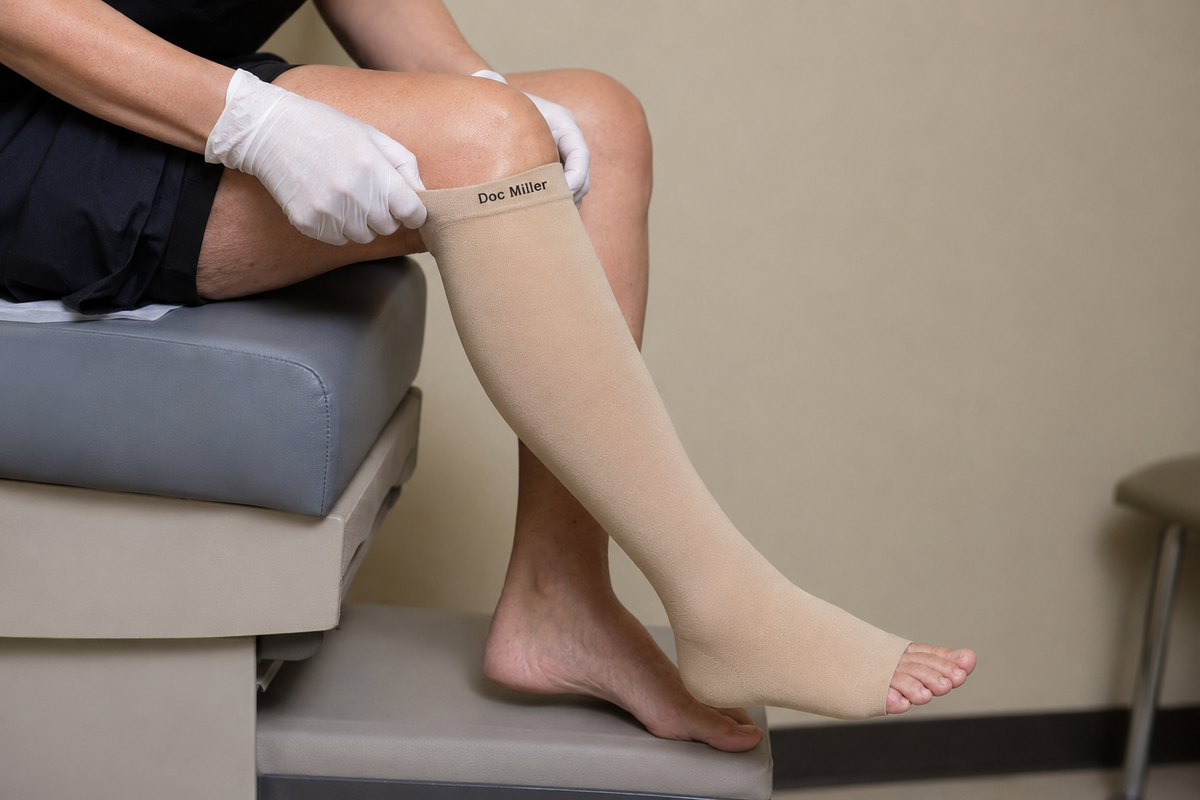
Woman wearing white Doc Miller calf compression sleeves while seating

If you’ve ever wondered about the magic behind calf compression sleeves, you’re not alone. Whether you’re an athlete, recovering from an injury, or simply looking for everyday comfort, knowing how tight your calf sleeves should be is crucial. It’s not just about slipping them on and hoping for the best! Proper fit can mean the difference between improved circulation, reduced muscle fatigue, and potential discomfort.

In this guide, we’ll walk you through how to measure calf for compression sleeve, how to find the right fit, what size of calf sleeve you should get and why this seemingly small detail can make a huge difference in your performance and comfort.

What Size Calf Sleeve Should I Get?

Woman wearing white Doc Miller calf compression sleeves while seated on a teal ottoman in a bright indoor setting

Choosing the right calf compression sleeve size is one of the most important factors in getting the benefits of compression therapy. If your sleeve is too tight, it can cause discomfort and restrict circulation. If it's too loose, it won't provide enough support or compression.

The best calf sleeve size depends on your calf circumference, ankle measurement, and the sizing chart provided by the manufacturer. Taking accurate measurements before buying ensures you get the proper level of compression, comfort, and performance.

Whether you're an athlete, recovering from an injury, or looking for everyday leg support, understanding how to choose the correct size can help maximize the effectiveness of your calf compression sleeves.

What is the Correct Calf Compression Level for My Needs?

Not all compression sleeves are created equal. The right level depends on why you’re wearing them. Compression is measured in millimeters of mercury (mmHg), which tells you how much pressure the sleeve applies.

For Medical Uses and Recovery

If you’re wearing calf sleeves for medical reasons, think circulation issues, varicose veins, or post-surgery recovery the pressure needs to be precise.

  • 15–20 mmHg: Mild compression, good for mild swelling or long periods of sitting/standing.

  • 20–30 mmHg: Moderate compression, often recommended by doctors for edema, varicose veins, and post-surgical recovery.

  • 30–40 mmHg: Strong compression, usually prescribed under medical supervision for severe circulation issues.

Tip: Always consult a healthcare professional before using high-pressure compression sleeves.

For Sports and Exercise

Athletes use calf compression sleeves to boost performance and reduce muscle fatigue. Here’s a breakdown:

  • 15–20 mmHg: Good for light activity and running.

  • 20–30 mmHg: Ideal for high-intensity workouts, weightlifting, and CrossFit.

  • 30 mmHg+: Rarely needed for sports unless recommended by a sports therapist.

For Everyday Wear

Even if you’re not an athlete, compression sleeves can help with comfort during long days on your feet or extended travel.

  • 8–15 mmHg: Gentle support, reduces swelling from standing or sitting.

  • 15–20 mmHg: Moderate support, also helps prevent fatigue during daily activities.

How Tight Should a Calf Compression Sleeve Be?

A properly fitted calf compression sleeve should feel snug and supportive without causing pain.

Signs of a good fit include:

  • Gentle, even pressure around the calf
  • No pinching or digging into the skin
  • No rolling or bunching
  • Improved comfort during activity

A simple test is to wear the sleeve for 15–20 minutes. Slight impressions on the skin are normal, but deep marks, numbness, or discomfort indicate the sleeve may be too small.

How to Measure Calf for Compression Sleeve

Knowing how to measure calf for compression sleeve is key to avoiding sleeves that are too tight or too loose. Here’s the simple step-by-step process:

  1. Sit or stand comfortably: Keep your foot flat on the floor.

  2. Measure at the widest point: Using a flexible tape, measure around the widest part of your calf.

  3. Record your ankle and calf measurements: Some sleeves need both measurements to ensure proper fit.

  4. Compare with size charts: Most brands provide a chart matching your calf size to the right sleeve.

Remember that small differences in measurement can change the pressure significantly. Always measure both calves and go with the larger measurement if there’s a difference.

Measurement Type How To Measure Notes
Calf Widest part of calf Keep tape snug but not tight
Ankle Just above ankle bone Helps with graduated compression
Sleeve Length From ankle to below knee Matches height with sleeve size

How to Determine the Perfect Fit Calf Compression

Once you know your measurements, how do you know if the sleeve is the “perfect fit”?

  • Snug, not painful: You should feel gentle pressure, not pinching or pain.

  • No rolling or bunching: The sleeve should stay in place, even during movement.

  • Improved circulation: Your legs should feel energized, not numb.

A helpful trick: after wearing the sleeve for a few minutes, check if your skin feels slightly indented when you remove it. This is normal, but excessive marks indicate it’s too tight.

Find the Perfect Fit With Doc Miller Calf Compression Sleeve

If you're looking for calf sleeves that combine comfort, support, and performance, Doc Miller Sports Calf Compression Sleeves offer several sizing and compression options to match different needs.

Features include:

  • Graduated compression technology
  • Multiple compression levels
  • Breathable, moisture-wicking fabric
  • Comfortable fit for sports, travel, and recovery

By selecting the correct size based on your calf measurements, you can maximize the benefits of compression and enjoy all-day comfort.

black calf compression sleeve for injury

Premium Calf Compression Sleeve 20-30 mmHg - BLACK

$18.95 - $30.95
SEE PRODUCT
dark green calf compression sleeve for injury

Premium Calf Compression Sleeve 20-30 mmHg DARK GREEN by Doc Miller

$19.95 - $24.95
SEE PRODUCT
us flag calf compression sleeve for injury

Premium Calf Compression Sleeve 20-30 mmHg TEAL

$19.95 - $30.95
SEE PRODUCT

Many users report that Doc Miller calf compression sleeves hit the sweet spot between snug fit and comfort, making them a great reference .

WHY Proper Calf Compression Fit Matters?

Wearing the wrong size or pressure isn’t just uncomfortable—it can be counterproductive.

  • Too tight: Can restrict blood flow, cause numbness, and even damage skin.

  • Too loose: Won’t provide proper support, leading to fatigue or swelling.

  • Correct fit: Boosts circulation, reduces soreness, and improves recovery.

Proper compression is a balance: enough pressure to support, not so much that it hinders.

When to Avoid Compression?

Although compression sleeves are generally safe, some situations require caution:

  • Severe peripheral artery disease
  • Deep vein thrombosis (DVT) without medical supervision
  • Skin infections or open wounds on the leg
  • Extreme discomfort or numbness after putting on a sleeve

Always consult a doctor if you have a medical condition or aren’t sure about wearing compression sleeves.

Tips for Wearing Calf Compression Sleeves Correctly

  • Put them on in the morning: Legs are least swollen.

  • Roll, don’t pull: Rolling helps prevent stretching out the fabric.

  • Layer carefully: If wearing under pants, ensure the sleeve isn’t bunched.

  • Wash regularly: Keeps the fabric elastic and effective.

Common Mistakes to Avoid

  • Ignoring measurements: Guessing your size can lead to sleeves that are too tight or too loose.

  • Wearing too long: Sleeves that cover too much of your leg can restrict blood flow.

  • Neglecting cleaning: Dirty sleeves lose elasticity and can irritate skin.

  • Using high compression for daily wear: Unless recommended, high mmHg levels are unnecessary for everyday use.

Frequently Asked Questions

1. Do calf compression sleeves help with tight calves?

Calf compression sleeves can help relieve the sensation of tight calves by improving circulation and providing gentle support to the muscles. The steady pressure may reduce muscle vibration during movement, which can limit fatigue and post-exercise soreness.

2. How to fix extremely tight calves?

To fix extremely tight calves, begin with gentle stretching exercises targeting both the gastrocnemius and soleus muscles. Hold each stretch for at least thirty seconds and repeat several times daily.

3. What is the correct calf compression level?

The correct calf compression level depends on your needs. Mild compression, typically around 15 to 20 mmHg, is commonly used for everyday wear, travel, or mild swelling. Moderate compression, around 20 to 30 mmHg, may be recommended for athletes during recovery or for people with moderate swelling or varicose veins. Higher levels, such as 30 to 40 mmHg, are usually prescribed for specific medical conditions and should only be used under professional guidance.

Find your perfect fit

Medical-grade compression sleeves and socks, made for everyday comfort. Free shipping within the USA.

Shop now
Share this article

Written by

Mark Anthony Madale

Keep reading

Read more

Should You Wear Compression Socks for Gout? Benefits, Uses, and Tips

Should You Wear Compression Socks for Gout? Benefits, Uses, and Tips

If you’re wondering, “Are compression socks good for gout?” Yes, but with a few important considerations. Compression socks can help ease pain, swelling, and discomfort associated with gout, espec...

Read more
Are Open Toe Compression Socks Effective? Pros, Cons & Benefits Explained

Are Open Toe Compression Socks Effective? Pros, Cons & Benefits Explained

If you've ever wondered are open toe compression socks effective, you're not alone. Many people choose compression socks to help improve circulation, reduce swelling, and support tired legs, but ...

Read more