

Best Compression Socks To Buy That May Help With Cuboid Syndrome
If you have pain along the outside of your foot, walking, exercising, or even standing for long periods can become...

Trampoline fitness has become one of the most popular low-impact workouts in recent years. Mini-trampolines, also called rebounders, now show up in living rooms, boutique studios, and gyms, and many people enjoy them because the bounce feels lighter on the joints than running on pavement while still raising the heart rate.
That said, the workout is built on repetition. Hundreds of small jumps, landings, and push-offs add up quickly, and your lower legs do a lot of the work. Many people notice that their calves feel tired, tight, or achy after a longer session, especially when they are new to rebounding or have increased their workout time.
Calf compression sleeves are an optional accessory that wraps the lower leg in gentle, even pressure. They are not required for a good workout, and they are not a cure for anything, but many active people find them a comfortable addition. This guide explains how trampoline workouts affect your calves, what compression sleeves can and cannot do, and what to check before you buy.
Rebounding is exercise performed on a small, springy trampoline, usually around 36 to 48 inches wide. Typical routines include basic bouncing, jogging in place, jumping jacks, twists, high knees, and short interval rounds set to music. Some classes add light hand weights or resistance bands.
Because the surface gives under your feet, each landing is softer than it would be on a hard floor. That cushioning is a big part of the appeal. However, the unstable surface also asks your muscles to work continuously to keep you balanced.
Your calves are made up mainly of two muscles: the gastrocnemius, the larger muscle you can see at the back of your lower leg, and the soleus, which sits underneath it. Both help you push off the ground, absorb landings, and stabilize your ankle.
Every bounce asks them to contract and release. Even a gentle bounce keeps the calves working, and faster or higher jumps increase that demand. Because the surface moves, the smaller stabilizing muscles around the ankle and shin also stay active.
Calf fatigue is common when a muscle is asked to do the same motion many times in a row. A few things can make it more noticeable during rebounding:
A tired or tight feeling after exercise is usually normal. Sharp pain, swelling, or discomfort that does not ease with rest is different and deserves attention from a healthcare professional.
A calf sleeve is a tube of stretchy fabric that covers the lower leg from just below the knee to just above the ankle. It applies light, even pressure around the calf. Many people describe the feeling as snug and supportive, a bit like a gentle hug around the muscle.
Unlike compression socks, sleeves leave the foot and ankle uncovered. That can be helpful for trampoline workouts, since many people prefer to bounce barefoot or in grip socks for better control.
During repeated bouncing, the calf muscle moves and vibrates slightly with each landing. A snug sleeve can help keep the muscle feeling steady and contained. Some people say this makes longer sessions feel more comfortable. This is a personal sensation rather than a guaranteed result, and experiences vary from person to person.
Many athletes, runners, and fitness walkers wear compression sleeves because they feel better wearing them, and the same can be true for rebounding. If your calves tend to feel heavy or tight toward the end of a workout, a sleeve may be a comfortable thing to try. It should be seen as a comfort tool and not as a replacement for good technique, a proper warm-up, or medical care.
Some people keep their sleeves on for a short time after exercise as part of their cool-down. Combined with stretching, water, and enough rest, a sleeve can be one small piece of a recovery routine that feels good and is easy to stick with.
Graduated compression means the pressure is strongest at the lower end of the sleeve, near the ankle, and gradually eases as it moves up toward the knee. The idea is to encourage blood to travel upward toward the heart. Not every sleeve is graduated. Some apply even pressure along the entire length, and both styles are common in fitness wear. Check the product description to see which type you are buying.
Compression garments are widely used in medical and athletic settings, and research suggests they can support circulation in the legs. For exercise, the evidence is more mixed. Some studies report modest benefits for perceived soreness and recovery, while others find little difference. A fair summary is that compression may help some people feel more comfortable, but results are not identical for everyone.
It helps to be realistic here. Compression sleeves can provide a feeling of support, but they are not proven to prevent injuries such as strains or tendon problems. They also do not replace proper conditioning. Good footing, gradual progress, and listening to your body will do far more to protect your legs than any accessory. If you have a diagnosed leg condition, circulation concerns, or a history of blood clots, speak with your doctor before using compression products.
Not all sleeves feel the same. These are the features that matter most for compression sleeves for trampoline workouts.
Rebounding gets you warm quickly. Look for moisture-wicking, breathable fabrics such as nylon and spandex blends. Lightweight material helps prevent overheating and reduces the chance of skin irritation during longer sessions.
Compression is usually listed in millimeters of mercury (mmHg). For general fitness use, many people choose a light to moderate range, often around 15 to 20 mmHg. Higher levels, such as 20 to 30 mmHg, feel firmer and are sometimes chosen for specific needs. If you are new to compression, starting with a lighter level is usually more comfortable. When in doubt, ask a healthcare provider which range suits you.
A good sleeve stays in place without sliding down as you bounce. It should feel snug, but it should never cause pain, numbness, tingling, or a strong red line on your skin. If your toes feel cold or your leg feels like it is going to sleep, the sleeve is too tight.
Trampoline workouts involve constant bending at the ankle and knee. Choose a sleeve with four-way stretch and flat seams so it moves with you and does not bunch behind the knee or rub the skin.
Sizing is often based on calf circumference. Measure around the widest part of your calf with a soft tape, ideally when your legs are not swollen from a long day. Then compare your number to the brand’s size chart instead of guessing from a general small, medium, or large label. If you are between sizes or have wider calves, look for brands that offer extended sizing.
Most people put their sleeves on before they begin, so the fit feels secure through the whole session. This is the most common use for calf support for rebounding exercises. Try them first during a shorter workout to see how they feel.
Some people leave the sleeves on for a short period after finishing, while they stretch, hydrate, and cool down. Sleeping in compression sleeves is generally not recommended unless a healthcare provider advises it.
Take them off if you feel pain, numbness, tingling, or skin irritation. It is also sensible to remove them after a few hours of wear, wash them regularly, and let your skin breathe. If you notice swelling, unusual discoloration, or persistent pain in your calf, stop using them and get medical advice.
Spend five minutes on gentle ankle circles, calf raises, and easy bouncing before you move to harder intervals. A warm muscle usually feels better and moves more freely.
If rebounding is new to you, begin with 10 to 15 minutes and build up over a few weeks. Calves adapt to new demands gradually, and doing too much too soon is one of the most common reasons people end up sore.
Keep your knees slightly bent, land softly, and avoid staying on your toes the entire time. Let your whole foot share the work. Good posture and a relaxed bounce reduce unnecessary strain on the lower legs.
Drink water before and after exercise, and give your legs rest days between harder sessions. Light stretching for the calves, such as a wall stretch held for 20 to 30 seconds, can help them feel looser afterward.
Some classes are done barefoot or in grip socks, while others recommend supportive athletic shoes. Follow your instructor’s guidance and choose what keeps you stable. Also check your equipment: a quality rebounder with a sturdy frame and intact springs or bungees makes landings safer and more predictable.

If you’re looking to add comfortable lower-leg support to your fitness routine, consider exploring the calf compression collection at Doc Miller Sports. With different compression levels, sizes, and styles available, you can compare options and find a sleeve that fits your preferences. Whether you’re enjoying mini-trampoline workouts, walking, running, or other fitness activities, choosing a comfortable and properly fitted calf sleeve can be a practical addition to your exercise wardrobe.
Before you buy, check the size chart, confirm the compression range, and read the material details so you know what to expect.
Trampoline fitness is a fun, joint-friendly way to stay active, but all those repeated bounces keep your calves working hard. Calf sleeves for trampoline fitness can be a simple, comfortable accessory that gives your lower legs a feeling of steady support. They are not a cure and they will not replace good technique, a proper warm-up, or rest, but they can make a workout routine feel more comfortable for many people.
The key is choosing a sleeve that fits well. Measure your calf, pick a breathable and flexible material, and start with a compression level that feels comfortable. If you are ready to compare options, Doc Miller Sports offers a range of calf compression sleeves in different sizes, styles, and compression levels so you can find one that suits your workouts.
Some people feel less heaviness or tightness when wearing compression after exercise, though research results are mixed. Sleeves work best alongside a warm-up, stretching, hydration, and rest. If soreness is severe or does not improve, speak with a healthcare professional.
For general fitness, many people start with a light to moderate level, around 15 to 20 mmHg. Firmer levels may suit certain needs, but it is wise to confirm with a doctor or pharmacist, especially if you have circulation or health concerns.
Neither is better for everyone. Sleeves cover only the calf and leave the foot and ankle free, which many rebounders prefer for grip and barefoot control. Compression socks cover the foot and ankle too, which some people like for extra coverage. Your choice depends on comfort, footwear, and personal preference.
This article is for general information only and is not medical advice. Talk to a healthcare professional if you have leg pain, swelling, circulation concerns, or a medical condition before using compression products.
Find your perfect fit
Medical-grade compression sleeves and socks, made for everyday comfort. Free shipping within the USA.
If you have pain along the outside of your foot, walking, exercising, or even standing for long periods can become...


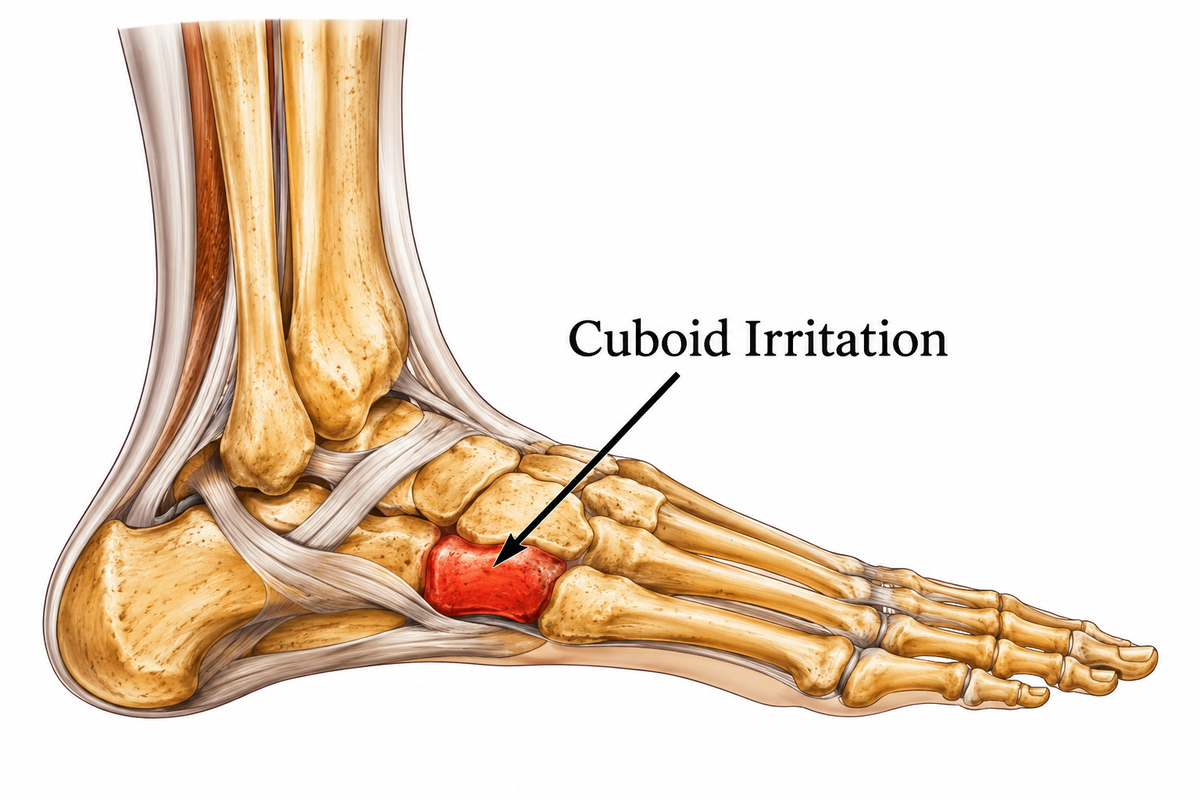
Best Compression Socks To Buy That May Help With Cuboid Syndrome
If you have pain along the outside of your foot, walking, exercising, or even standing for long periods can become uncomfortable. One possible cause is cuboid syndrome, a condition involving the s...
Read more