
If you’ve spent time in a Pilates studio lately, you’ve probably noticed more people wearing compression pilates socks instead of regular workout socks. These specialized socks combine gentle compression support with non-slip grip technology, helping improve stability, circulation, and comfort during workouts.
Whether you practice mat Pilates, reformer Pilates, barre, or yoga-inspired workouts, the right socks can make a noticeable difference in how secure and supported you feel. Many people also choose compression socks for pilates because they help reduce foot fatigue and provide extra support during long sessions.
Brands like Doc Miller Sports have become popular for creating compression Pilates socks that combine grip, comfort, and graduated compression to help users feel more balanced and stable during exercise.
What Are Compression Pilates Socks?
Compression Pilates socks are specially designed socks that combine two important features:
- Graduated compression
- Non-slip grip soles
The compression element gently hugs the feet and lower legs to encourage healthy circulation and muscle support. Meanwhile, the grip patterns on the bottom help prevent slipping during Pilates movements.
Unlike ordinary socks, compression pilates socks are designed for movement, control, and stability. They’re especially useful for exercises requiring balance, foot engagement, and controlled transitions.
Where To Buy Compression Socks for Pilates Workouts
If you're ready to purchase a pair, several types of retailers offer options worth comparing. The best place to buy depends on whether you prioritize Pilates-specific grip, compression support, product variety, or the convenience of shopping online.
1. Specialized Compression Sock Retailers
Specialist retailers are a useful starting point if compression is one of your main priorities.
These stores may provide more detailed information about compression ratings, sizing, fabric composition, and sock length than general clothing retailers.
For example, Doc Miller Sports is one online retailer to consider when comparing compression socks for supportive everyday wear and active routines.
You can browse its closed-toe compression socks collection to review available styles and product details.
Before purchasing, confirm whether a particular product includes non-slip grips specifically designed for Pilates. A closed-toe compression sock does not necessarily have a grippy sole or the same features as a dedicated Pilates sock.
2. Pilates and Fitness Equipment Stores
Stores specializing in Pilates equipment and accessories may carry grip socks designed specifically for studio workouts.
Their selection may include different sole patterns, toe configurations, and materials intended for reformer or mat sessions.
These retailers can be especially helpful if you want a product designed primarily for traction rather than compression.
Check product descriptions carefully to determine whether the socks provide a simple snug fit or a documented compression level.
3. Online Marketplaces
Online marketplaces offer a convenient way to compare multiple sellers and price points in one place.
You can often find Pilates grip socks in different sizes, colors, and styles, including options with arch bands or open-toe designs.
However, product quality varies between sellers. Before ordering, review:
-
The stated materials and sizing chart
-
Whether grip coverage is clearly shown
-
Customer reviews mentioning slipping or durability
-
Return and exchange policies
-
Shipping costs and estimated delivery times
Pay particular attention to reviews describing how the socks perform during actual Pilates sessions rather than relying only on product photos.
4. Sporting Goods and Fitness Apparel Stores
General sporting goods stores may offer grip socks, studio socks, and compression accessories.
This option can be convenient if you want to compare products in person, assess fabric thickness, or check sizing before buying.
Availability varies, and some stores carry standard athletic compression socks rather than Pilates-specific designs. Confirm that the product matches your intended use.
5. Pharmacies and Medical Supply Retailers
Pharmacies and medical supply stores are worth considering if your primary goal is compression rather than studio traction.
They may stock products with specified compression levels and sizing guidance, including knee-high styles.
However, medical compression socks generally aren't designed specifically for Pilates, and many do not have non-slip soles.
If you need medical-grade compression, ask a qualified healthcare professional which product is appropriate and whether it is suitable for your exercise routine.
Why Many People Choose Doc Miller Sports Compression Pilates Socks

Doc Miller Sports offers compression Pilates socks designed to combine comfort, support, and stability in one product.
Their socks are popular among Pilates enthusiasts because they typically include:
- Graduated compression support
- Non-slip grip soles
- Breathable fabric materials
- Comfortable stretch fit
- Arch support zones
Many users appreciate how Doc Miller Sports compression Pilates socks help them feel more stable during reformer exercises and standing movements. The combination of grip and compression can help improve confidence during workouts while reducing foot fatigue.
Why Balance and Stability Matter in Pilates
Pilates focuses heavily on controlled movement, posture, alignment, and core strength. Many exercises require you to:
- Balance on one leg
- Shift weight slowly
- Maintain precise foot placement
- Control body movements on unstable surfaces
Without proper grip or foot support, it’s easy to lose stability during these exercises. Slipping can interrupt your form and reduce workout effectiveness.
That’s where compression socks for pilates become useful. They help create a more secure foundation so you can focus on movement quality instead of worrying about slipping.
Key Benefits of Compression Pilates Socks
Improved Grip and Traction
One of the biggest advantages of compression Pilates socks is the enhanced grip.
Most designs feature silicone or rubber traction patterns on the soles, helping you stay steady during movements like:
- Planks
- Lunges
- Reformer footwork
- Standing balance exercises
- Bridge variations
Better traction means more confidence during workouts, especially on smooth studio floors or reformer machines.
Enhanced Stability During Movement
Pilates requires constant body control. Even small foot movements can affect posture and alignment.
The snug fit of compression pilates socks helps stabilize the foot and ankle area, making movements feel more controlled. Some people notice improved body awareness and coordination because the compression creates a more “locked-in” feeling.
This added support can be especially beneficial for beginners who are still developing balance and control.
Better Circulation and Reduced Fatigue
Compression technology works by applying gentle pressure to the feet and lower legs. This may help encourage blood flow and reduce feelings of heaviness or fatigue after workouts.
People who attend multiple Pilates sessions each week often appreciate the recovery benefits of compression support.
Benefits may include:
- Less foot soreness
- Reduced muscle fatigue
- Improved comfort during long sessions
- Better post-workout recovery
This is one reason why many athletes and fitness enthusiasts wear compression socks for pilates and other low-impact workouts.
Arch and Foot Support
Many compression Pilates socks are designed with targeted arch compression zones. This added support may help:
- Reduce foot strain
- Improve comfort
- Support natural foot alignment
- Minimize fatigue during standing exercises
People with flat feet or mild arch discomfort often find supportive Pilates socks more comfortable than standard athletic socks.
Hygienic Alternative to Bare Feet
Some Pilates studios encourage grip socks for hygiene reasons. Wearing socks creates a protective barrier between your feet and shared equipment.
Compression Pilates socks also help absorb sweat, keeping feet drier during workouts.
Helps Improve Confidence During Workouts
When your feet feel secure, you naturally move with more confidence.
Fear of slipping can make movements hesitant or less controlled. Proper grip and support allow you to focus fully on posture, breathing, and core engagement instead of worrying about your footing.
That mental confidence can improve workout quality over time.
Who Should Wear Compression Pilates Socks?
Almost anyone can benefit from wearing compression Pilates socks, but they may be especially helpful for:
Beginners
New Pilates participants often struggle with balance and foot control at first. Grip compression socks provide extra security while learning movements.
Frequent Pilates Participants
If you attend classes several times a week, compression support may help reduce foot and leg fatigue.
People With Tired or Achy Feet
Those who spend long hours standing during the day sometimes appreciate the added support and circulation benefits.
Barre and Yoga Enthusiasts
Many people use the same socks across multiple workout styles because the grip and compression features work well for different low-impact activities.
Features to Look for in Compression Pilates Socks
Not all Pilates socks are created equal. Here are some important features to consider before buying.
Non-Slip Grip Patterns
Look for durable grip coverage across the sole. Full-coverage grips often provide the best traction during dynamic movements.
Graduated Compression
Graduated compression means the socks apply varying pressure levels to encourage circulation and support.
Breathable Fabric
Moisture-wicking materials help keep feet cool and dry during workouts.
Arch Support
Compression around the arch area may improve comfort and reduce fatigue.
Comfortable Fit
The socks should feel snug but not painfully tight. Proper sizing matters for both grip and compression performance.
Compression Pilates Socks vs Regular Grip Socks
At first glance, they may look similar, but there are key differences between regular grip socks and compression Pilates socks.
If your main goal is simply preventing slips, regular grip socks may work fine. But if you want added support, circulation benefits, and improved stability, compression pilates socks offer more overall functionality.
Tips for Getting the Most Out of Compression Pilates Socks
Choose the Right Size
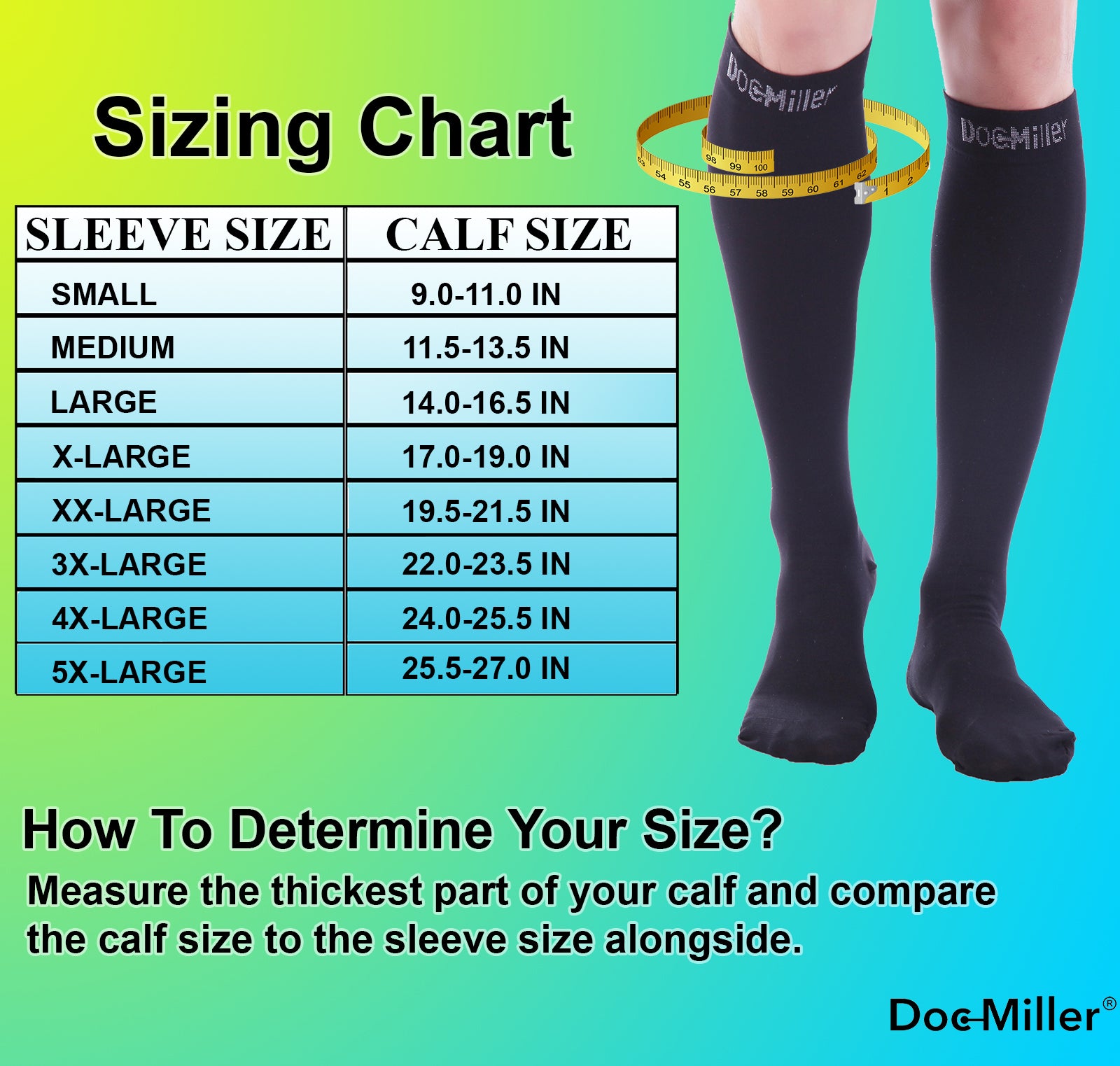
Compression socks that are too tight can feel uncomfortable, while loose socks won’t provide proper support.
Always check the brand’s sizing guide before purchasing.
Wash Them Properly
To preserve elasticity and grip quality:
- Wash in cold water
- Avoid high heat drying
- Air dry when possible
Replace Worn-Out Grip Socks
Over time, grip patterns may wear down. If the traction feels less effective, it may be time for a replacement pair.
Wear Them Consistently
The more consistently you wear supportive Pilates socks, the more noticeable the comfort and stability benefits may become.
Are Compression Pilates Socks Worth It?
For many people, yes.
If you regularly practice Pilates, barre, or yoga-inspired workouts, the combination of grip and compression can improve both comfort and confidence.
The benefits may include:
- Better stability
- Improved grip
- Reduced foot fatigue
- More workout confidence
- Enhanced comfort during long sessions
While they’re not mandatory for Pilates, many users quickly notice the difference after switching from regular socks or bare feet.
Are Compression Pilates Socks Worth Buying?
Compression Pilates socks may be a worthwhile addition to your workout wardrobe if you value a secure fit, comfortable fabric, and reliable traction.
The right pair can help you feel more stable during controlled movements, reduce distractions caused by shifting socks, and provide a practical barrier between your feet and shared studio surfaces.
However, your choice should depend on your actual needs. Grip is particularly important for Pilates, while compression may be a separate priority for people seeking additional foot or leg support.
Before buying, compare grip coverage, fabric, sizing, compression specifications, and return policies. If you shop through Doc Miller Sports or another compression-focused retailer, verify that the specific product is designed for the type of Pilates you practice.
Ultimately, the best socks are those that fit comfortably, provide appropriate traction, and allow you to move naturally throughout your session.
Frequently Asked Questions
1. Are compression socks for Pilates better than regular socks?
Yes, many people prefer them because they combine non-slip grip with compression support, helping improve balance and reduce foot fatigue.
2. Do compression Pilates socks help with circulation?
The gentle compression may help encourage blood flow and reduce feelings of tired or heavy feet after workouts.
3. How tight should compression Pilates socks feel?
They should feel snug and supportive without causing pain, numbness, or discomfort.