
Calf Injury Relief: Why Compression Sleeves Work
Dealing with a calf injury can be frustrating, whether it’s from sports, overuse, or a sudden strain. If you’re searching for a compression sleeve for calf injury, you’re already on the right track toward faster recovery and better support. Compression sleeves have become a go-to solution for athletes and everyday individuals alike, helping reduce pain, improve circulation, and stabilize the injured muscle.
In this guide, we’ll break down what a calf injury is, why it happens, and how the right compression sleeve can make a real difference in your recovery.
What Is a Calf Injury?

A calf injury typically involves damage to the muscles at the back of your lower leg—mainly the gastrocnemius and soleus muscles. These muscles are responsible for walking, running, and jumping, which is why they’re so prone to strain.
Common Types of Calf Injuries
- Muscle strain (pulled calf muscle) – overstretching or tearing of muscle fibers
- Calf cramps – sudden, involuntary contractions
- Achilles-related issues – tightness or strain near the tendon
- Overuse injuries – caused by repetitive stress
Common Symptoms
- Sharp or dull pain in the calf
- Swelling or bruising
- Tightness or stiffness
- Difficulty walking or standing on tiptoe
How a Compression Sleeve Helps in a Calf Injury
A compression sleeve for calf injury works by applying gentle, consistent pressure to the affected area. This simple mechanism offers several powerful benefits:
1. Improves Blood Circulation
Compression increases blood flow, which helps deliver oxygen and nutrients to the injured muscle—key for healing.
2. Reduces Swelling and Inflammation
By limiting fluid buildup, compression sleeves help minimize swelling and discomfort.
3. Provides Muscle Support
A sleeve stabilizes the calf muscle, reducing unnecessary movement and preventing further strain.
4. Speeds Up Recovery
Better circulation and support mean your body can repair itself more efficiently.
5. Enhances Performance (Post-Recovery)
Once healed, wearing a sleeve can help prevent re-injury during physical activity.
Recommended Options: Doc Miller Sports Calf Sleeves
If you’re looking for a reliable solution, Doc Miller Sports offers high-quality compression products designed for both recovery and performance.
Popular Products:
-
Doc Miller Premium Calf Compression Sleeve

Designed for muscle stabilization and recovery support, ideal for calf strains and fatigue. -
Doc Miller Graduated Compression Calf Sleeve
Offers targeted compression zones to enhance circulation and reduce swelling.
These products are commonly used by athletes, runners, and even individuals who stand for long hours.
Why Choose Doc Miller Cals Sleeve as Best Compression Sleeve for Calf Injury?

Not all compression sleeves are created equal. Choosing the best compression sleeve for calf injury ensures you get the right level of support and comfort.
Key Features to Look For:
- Graduated compression for optimal blood flow
- Breathable fabric to prevent overheating
- Snug but comfortable fit (not too tight)
- Moisture-wicking material for long wear
- Durability and stretch retention
How to Properly Use a Compression Sleeve
To get the most out of your compression sleeve for calf injury, follow these tips:
✔ Wear It Correctly
Make sure the sleeve fits snugly but doesn’t cut off circulation.
✔ Use It Consistently
Wear it during activity and recovery periods for best results.
✔ Combine With Other Treatments
- Rest
- Ice therapy
- Elevation
- Gentle stretching (when appropriate)
✔ Don’t Overuse
Avoid wearing it too tightly or for excessively long periods without breaks.
Additional Tips for Faster Recovery
A compression sleeve is helpful, but it works best as part of a complete recovery plan.
Recovery Tips:
- Rest your leg to prevent further damage
- Apply ice for 15–20 minutes to reduce swelling
- Stay hydrated to support muscle repair
- Gradually return to activity
- Consult a professional if pain persists
Signs You May Need Medical Attention
While many calf injuries heal on their own, some require professional care.
Watch out for:
- Severe pain or swelling
- Inability to walk
- Sudden sharp pain with a popping sound
- Persistent symptoms after several days
Final Thoughts
A calf injury doesn’t have to keep you sidelined for long. Using a compression sleeve for calf injury is a simple yet effective way to reduce pain, improve circulation, and support recovery. Whether you’re an athlete or just dealing with everyday discomfort, choosing the best compression sleeve for calf injury like those from Doc Miller Sports can make a noticeable difference.
If you stay consistent with proper care and support, you’ll be back on your feet faster and stronger.
Frequently Asked Questions
1. Can a compression sleeve speed up healing?
Yes, by improving circulation and reducing swelling, it can support faster recovery.
2. What size compression sleeve should I choose?
Measure your calf circumference and follow the brand’s sizing chart, proper fit is crucial.
3. Where can I buy the best compression sleeve for calf injury?
They’re available at Doc Miller Sports, you can visit their site and choose from their compression socks collection, that are great for calf injury.
Disclaimer: This article is for informational purposes only and is not a substitute for professional medical advice. Consult a healthcare professional before using compression socks for a calf injury. Individual results may vary.
Find your perfect fit
Medical-grade compression sleeves and socks, made for everyday comfort. Free shipping within the USA.
Keep reading
-
-
Where to Buy Compression Socks for Leg Recovery: A Practical Buying Guide
So you've decided you want compression socks for leg recovery. Maybe your calves are sore after long shifts, your legs...
-

Best Volleyball Elbow Support & Braces Guide
If you play regularly, you already know how demanding the sport can be on your joints, especially your elbows. Choosing...

Read more
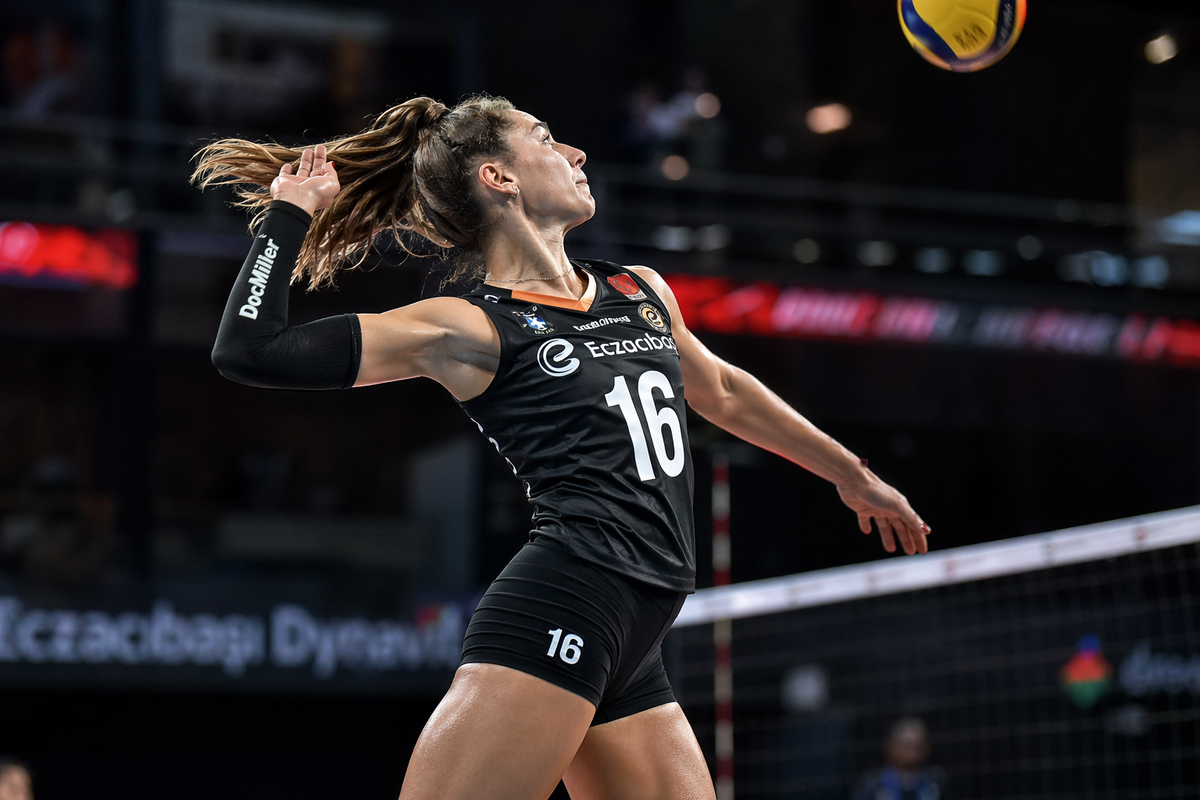
Best Volleyball Elbow Support & Braces Guide
If you play regularly, you already know how demanding the sport can be on your joints, especially your elbows. Choosing the right elbow support for volleyball can make a big difference in both pe...
Read moreWhere to Buy Compression Socks for Leg Recovery: A Practical Buying Guide
So you've decided you want compression socks for leg recovery. Maybe your calves are sore after long shifts, your legs feel heavy after training, or a friend recommended them after a marathon. Th...
Read more